Adaptive Algorithms and Their Responses to Individual Playing Rhythms in Reel-Based Digital Platforms
Blake Patterson · Jul 6, 2026
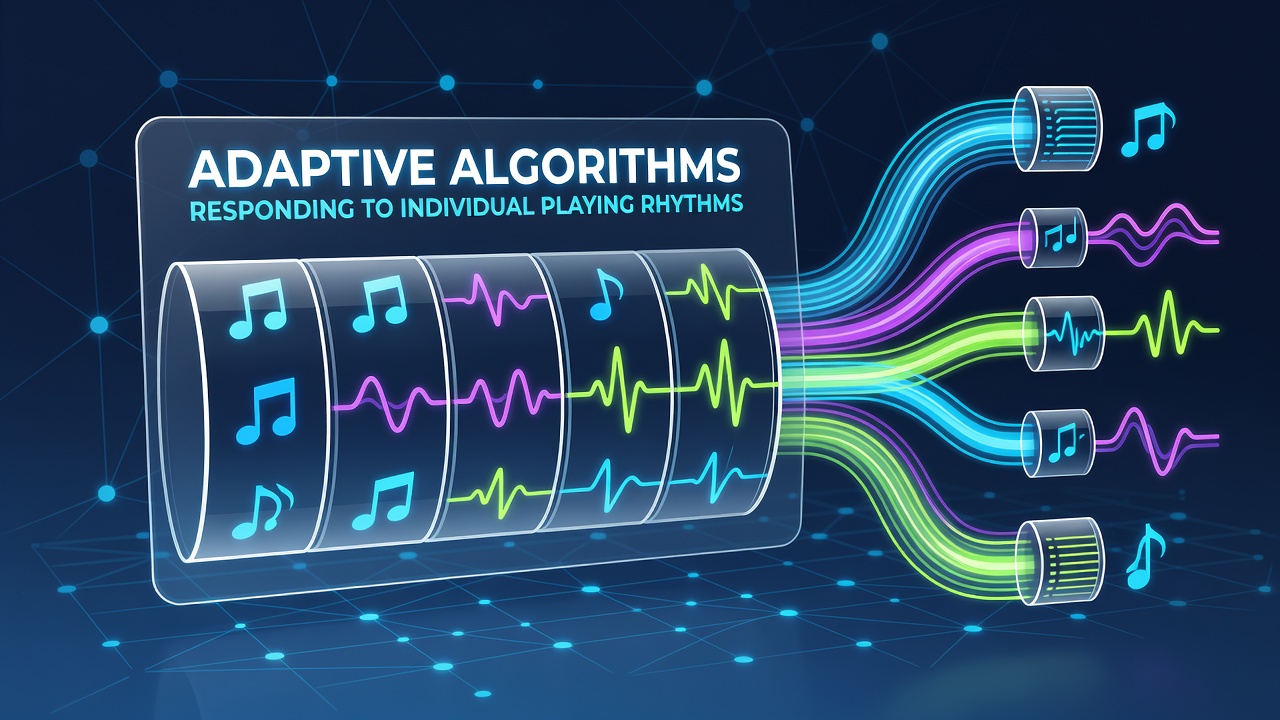
Adaptive Algorithms and Their Responses to Individual Playing Rhythms in Reel-Based Digital Platforms
Adaptive algorithms in reel-based digital platforms track sequences of spins, bet adjustments, and session pacing to modify game parameters in real time, and these systems process data streams that include spin frequency, wager size variations, and pause intervals between actions. Research from the University of Nevada Reno's gaming technology lab shows that such algorithms identify patterns within the first 50 to 100 spins, then apply adjustments to reel configurations or feature triggers without altering core random number generation processes.
Core Mechanisms Behind Rhythm Detection
These algorithms rely on machine learning models trained on aggregated player data sets, where inputs consist of timestamped events such as reel stops, button presses, and stake changes. Data indicates that faster spin rates often correlate with shorter session durations in mobile environments, prompting the system to increase the frequency of visual cues or secondary animations while maintaining regulatory compliance standards. Observers note that slower, deliberate pacing tends to activate different response layers, including extended bonus eligibility windows or modified symbol weighting displays during base game play.
Integration with Reel Dynamics
Reel mechanics respond through layered decision trees that evaluate rhythm metrics against predefined thresholds, and this process occurs server-side to ensure consistency across devices. Figures from industry reports reveal that platforms deployed updates in early 2026 incorporating multi-variable analysis, which combines individual session data with broader population trends. Such integration allows the algorithm to shift volatility presentations, for instance by altering the distribution of high-value symbols on visible reels, based solely on observed player tempo rather than predetermined schedules.
Regional Implementation Patterns
Platforms operating under Nevada Gaming Control Board oversight began testing rhythm-responsive modules in late 2025, with full rollout scheduled for July 2026 across select titles. These implementations differ from European frameworks overseen by the Malta Gaming Authority, where emphasis falls on transparency reporting for any adaptive elements. Australian regulatory reviews conducted by state-level bodies have documented similar systems in land-to-mobile crossover games, noting that rhythm detection helps maintain consistent return-to-player percentages while accommodating varied interaction speeds.
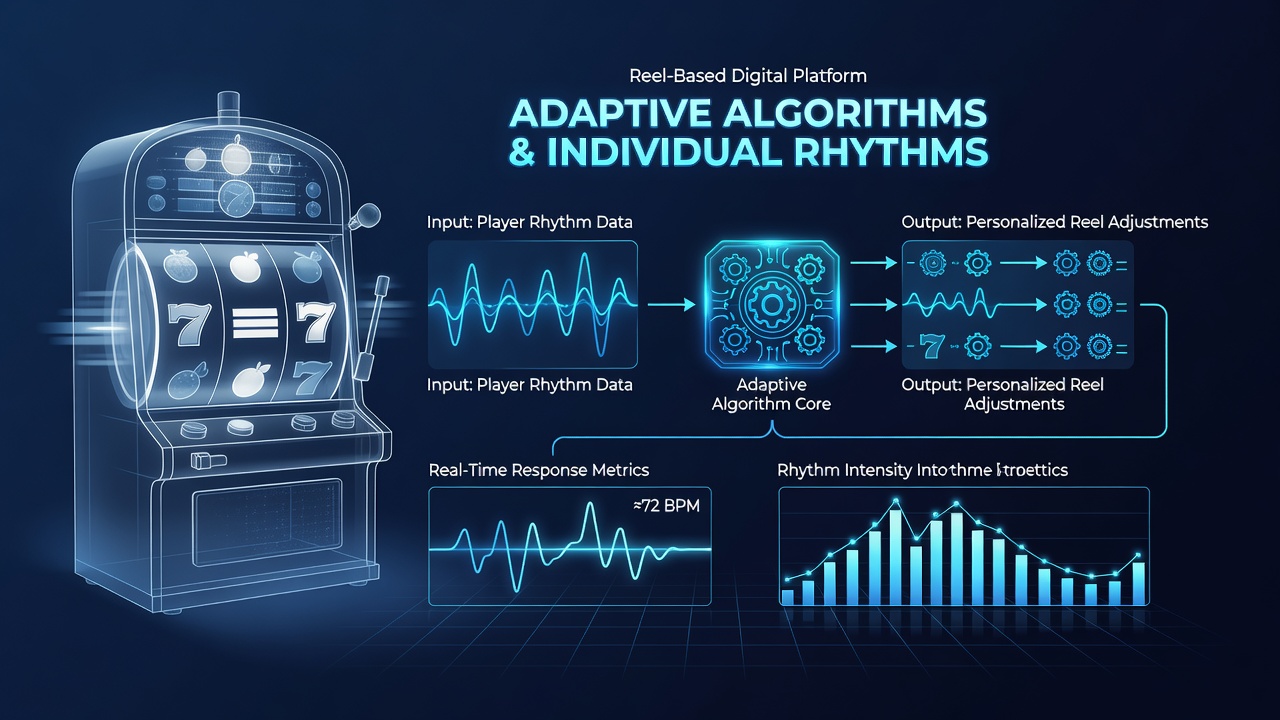
Take one case where developers adjusted reel stop sequences in response to clustered rapid spins, resulting in measurable changes to near-miss frequencies that stayed within certified boundaries. Experts have observed that this approach relies on continuous feedback loops rather than static profiles, allowing the system to recalibrate mid-session when rhythm shifts occur. Data from platform telemetry logs confirms that abrupt changes in bet sizing trigger secondary checks, often leading to temporary stabilization of feature activation rates.
Technical Considerations and Data Handling
Processing occurs through edge computing nodes that minimize latency, and these nodes feed summarized metrics back to central servers for model refinement. Studies published in IEEE Transactions on Games indicate that recurrent neural networks perform well at capturing sequential dependencies in playing rhythms, outperforming simpler statistical models when sessions exceed 200 spins. Platforms must log these adaptations for audit purposes, with regulators in multiple jurisdictions requiring disclosure of the variables used in decision-making processes.
Player Session Examples
One documented pattern involves players who alternate between high and low stakes within short windows, which algorithms interpret as exploratory behavior and respond by modulating the appearance rate of stacked symbols. Another common sequence features extended pauses followed by rapid bursts, prompting adjustments to animation timing that align with the detected tempo. These responses remain invisible to the end user yet produce measurable differences in engagement metrics tracked by operators.
What's interesting is how cross-device continuity affects rhythm tracking, since mobile sessions often exhibit higher variance in spin intervals compared with desktop play. Research indicates that algorithms compensate by normalizing timestamps against device-specific input delays, preserving accuracy across environments. As of July 2026, several major suppliers have incorporated device fingerprinting into their adaptive frameworks to support this normalization.
Future Developments in Algorithm Design
Developers continue to explore reinforcement learning variants that optimize for session completion rates while respecting certified game mathematics. Reports from the Canadian Centre for Gaming Research highlight pilot programs testing multi-player rhythm aggregation, where individual patterns contribute to shared environmental changes in tournament-style reel formats. These advancements build on existing infrastructure without requiring changes to underlying random processes.
Conclusion
Adaptive algorithms continue to evolve their responses to playing rhythms through refined data models and regulatory-aligned implementations. Evidence from multiple jurisdictions demonstrates consistent application of rhythm-based adjustments across reel platforms, with ongoing refinements scheduled through 2026 and beyond. The systems maintain separation between core randomness and behavioral adaptation layers, ensuring compliance while processing individual session characteristics in real time.