Behavioral Shifts Observed When Players Encounter High Versus Low Variance Reel Configurations
Sofia Bauer · Aug 8, 2026
Behavioral Shifts Observed When Players Encounter High Versus Low Variance Reel Configurations
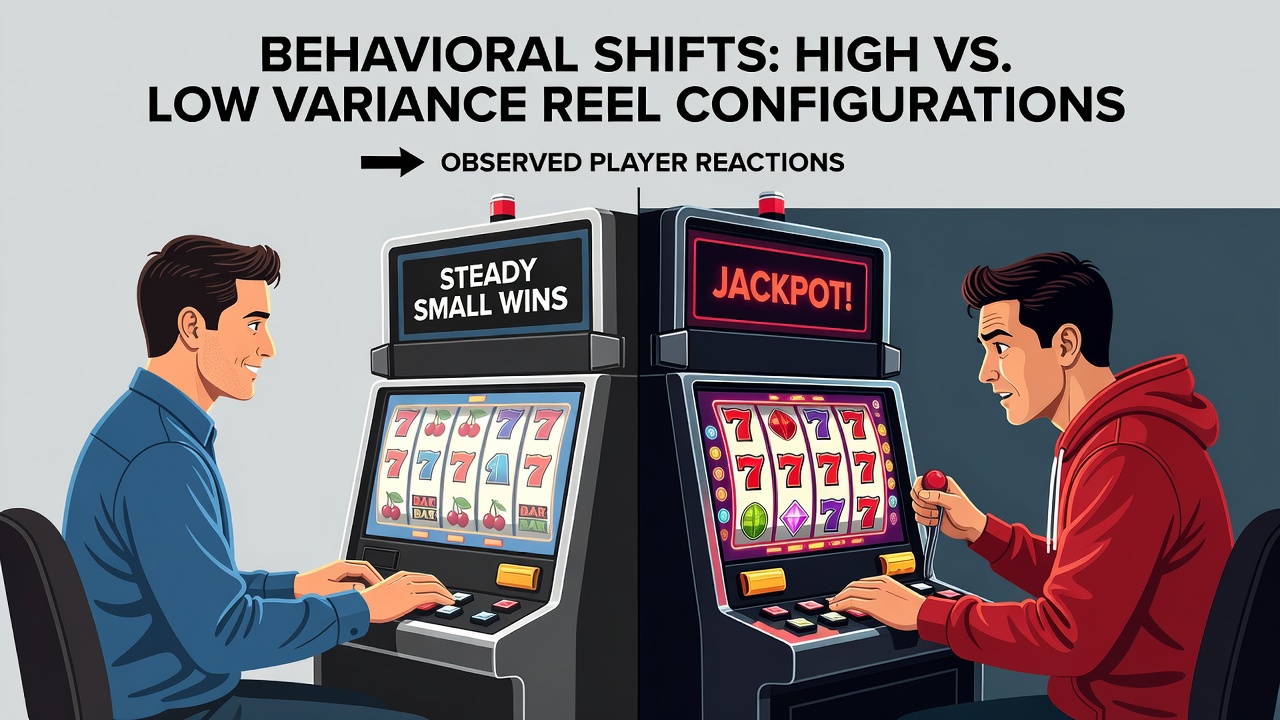
Slot configurations vary widely in their payout structures, and researchers track how these differences influence player actions over extended sessions. High variance reels deliver infrequent but larger returns while low variance setups produce more consistent smaller outcomes, and data from multiple gaming jurisdictions shows measurable differences in how participants adjust their play accordingly.
Core Mechanics of Variance in Modern Reels
Reel variance stems from programmed payout frequencies and prize distributions that operators set through mathematical models. Studies indicate that high variance machines concentrate rewards into fewer winning combinations whereas low variance titles spread smaller awards across more frequent triggers, and these patterns hold steady across both land-based and digital platforms as of August 2026.
Operators adjust these parameters during game development to meet regulatory requirements in different regions, and figures from the Nevada Gaming Control Board reveal consistent deployment of both variance types in regulated markets. Players encounter these setups through standard reel spins without direct control over the underlying algorithms.
Documented Responses to High Variance Reels
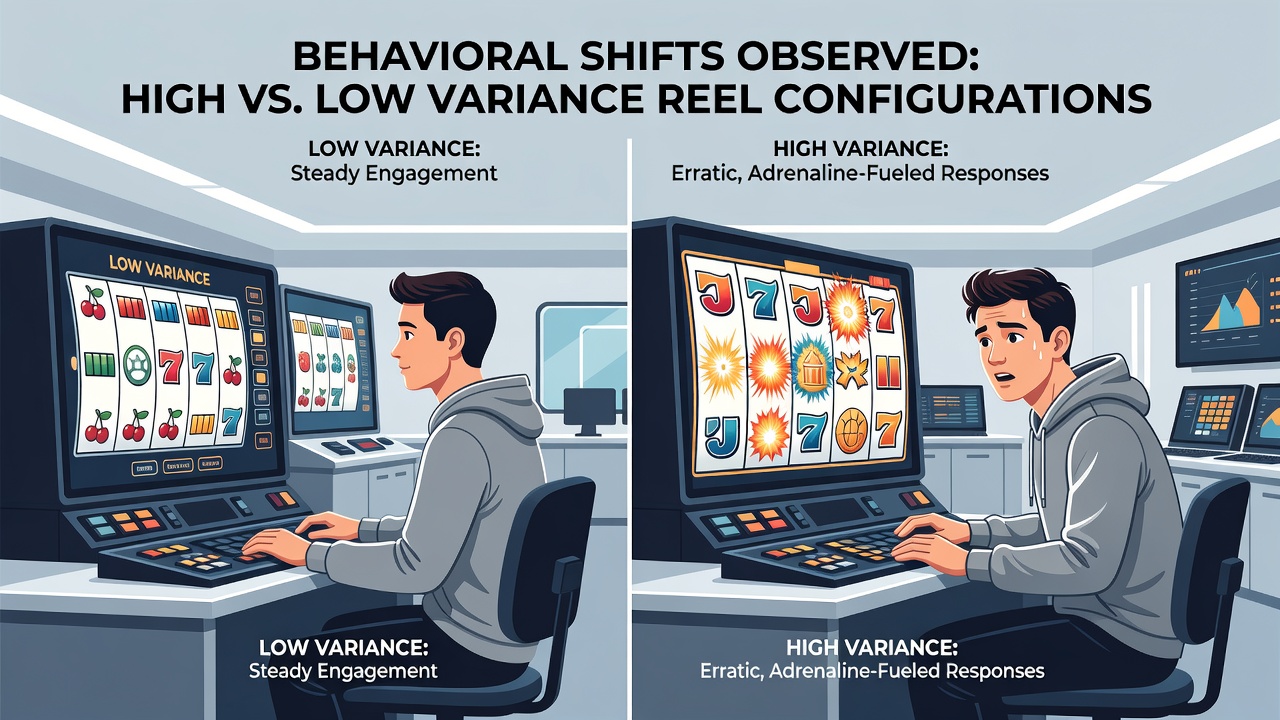
Observational data collected across casino floors shows participants often extend session durations when engaging high variance configurations despite longer dry spells between wins. Researchers note increased bet sizing adjustments as players attempt to capitalize on eventual larger payouts, and tracking systems record shifts in average wager amounts that correlate with time spent on these machines.
One analysis of transaction logs found that individuals encountering high variance reels displayed greater persistence after sequences of non-winning spins compared to other formats. This pattern appears in both physical venues and online environments where session data remains accessible to operators.
Patterns Emerging from Low Variance Interactions
Low variance reels prompt different adjustments according to multiple industry reports. Participants tend to maintain steadier bet levels over shorter overall sessions because frequent small returns provide ongoing reinforcement. Data collected by Australian regulatory bodies shows reduced variance in wager amounts across these configurations.
Tracking studies also indicate quicker transitions between games when low variance titles fail to meet player expectations for payout frequency. Those monitoring engagement metrics observe that players often sample multiple low variance options within single visits rather than committing to extended runs on one title.
Comparative Data Across Player Cohorts
Comparative reviews of player behavior databases highlight clear divergences between the two variance categories. High variance encounters correlate with higher peak bet fluctuations while low variance play produces more uniform patterns, and these distinctions persist across demographic groups tracked in European gaming association reports. Session length averages differ by measurable margins when researchers segment results by reel type.
Additional analysis from academic sources at institutions studying gambling dynamics confirms that return-to-player percentages alone do not fully explain the observed shifts. Instead, the distribution timing of wins drives the recorded changes in player conduct.
Environmental and Technological Influences
Modern slot interfaces incorporate visual and audio cues that amplify perceived variance without altering core mathematics. Mobile platforms deliver the same configurations as land-based terminals, and usage logs from 2026 show parallel behavioral responses regardless of access method. Regulatory frameworks in multiple jurisdictions require clear disclosure of game rules yet leave variance presentation to operator design choices.
Integration with loyalty programs further shapes how individuals respond because reward structures sometimes reward volume of play irrespective of variance category. Observers note that these layered systems can extend engagement across both high and low variance titles in measurable ways.
Conclusion
Available evidence demonstrates that reel variance directly corresponds to distinct behavioral adjustments among players, and ongoing data collection in regulated markets continues to refine understanding of these relationships. Operators and researchers rely on transaction records and session analytics to quantify differences without speculation about underlying motivations. As configurations evolve through software updates, the same measurement approaches track resulting shifts across global gaming environments.