Cluster Pays Unveiled: How Tumbling Symbols Reshape Slot Dynamics
Lars Meier · Apr 20, 2026
Cluster Pays Unveiled: How Tumbling Symbols Reshape Slot Dynamics
The Basics of Cluster Pays Mechanics
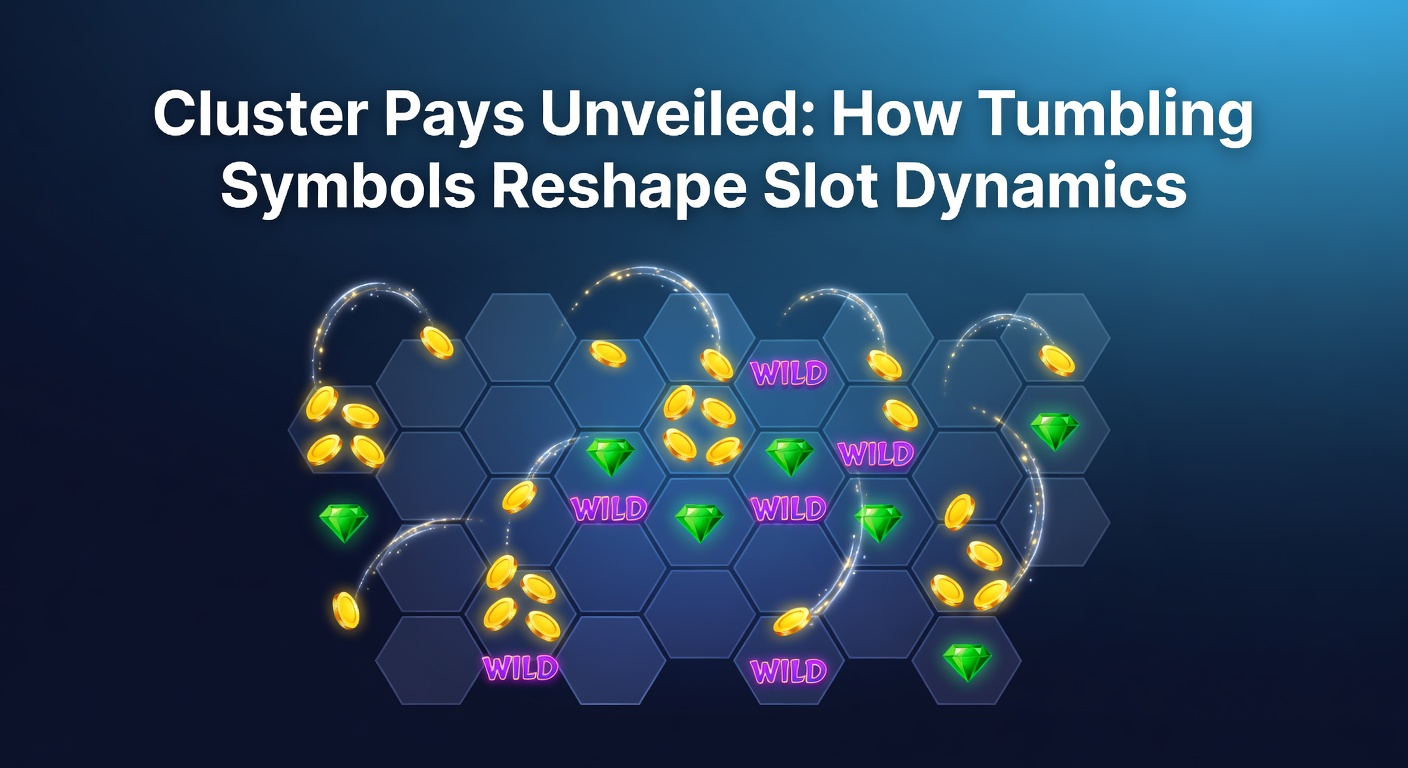
Cluster pays slots ditch traditional paylines in favor of wins formed by groups of adjacent symbols, typically needing five or more touching icons in any direction; this shift, pioneered by developers like NetEnt back in 2013 with Aloha Cluster Pays, allows victories to pop up anywhere on the grid, reshaping how players chase payouts since symbols don't need to align on fixed paths. Tumbling symbols, also called cascading reels, kick in right after a win, where those victorious icons vanish, fresh ones drop from above to fill the gaps, and this process repeats as long as new clusters form, turning a single spin into a chain of potential rewards that keeps the action rolling without extra bets.
Experts at the Nevada Gaming Control Board note that these mechanics appear in over 20% of new slot titles approved in recent years, reflecting their growing dominance in both land-based and online casinos; data from industry trackers shows cluster pays boosting engagement times by up to 35% compared to line-based games, as players stick around for those explosive multi-win sequences. And here's the thing: tumbling adds layers of excitement because each cascade recalculates the board anew, often leading to bigger multipliers stacking on subsequent drops.
How Tumbling Symbols Alter Volatility and Payout Structures
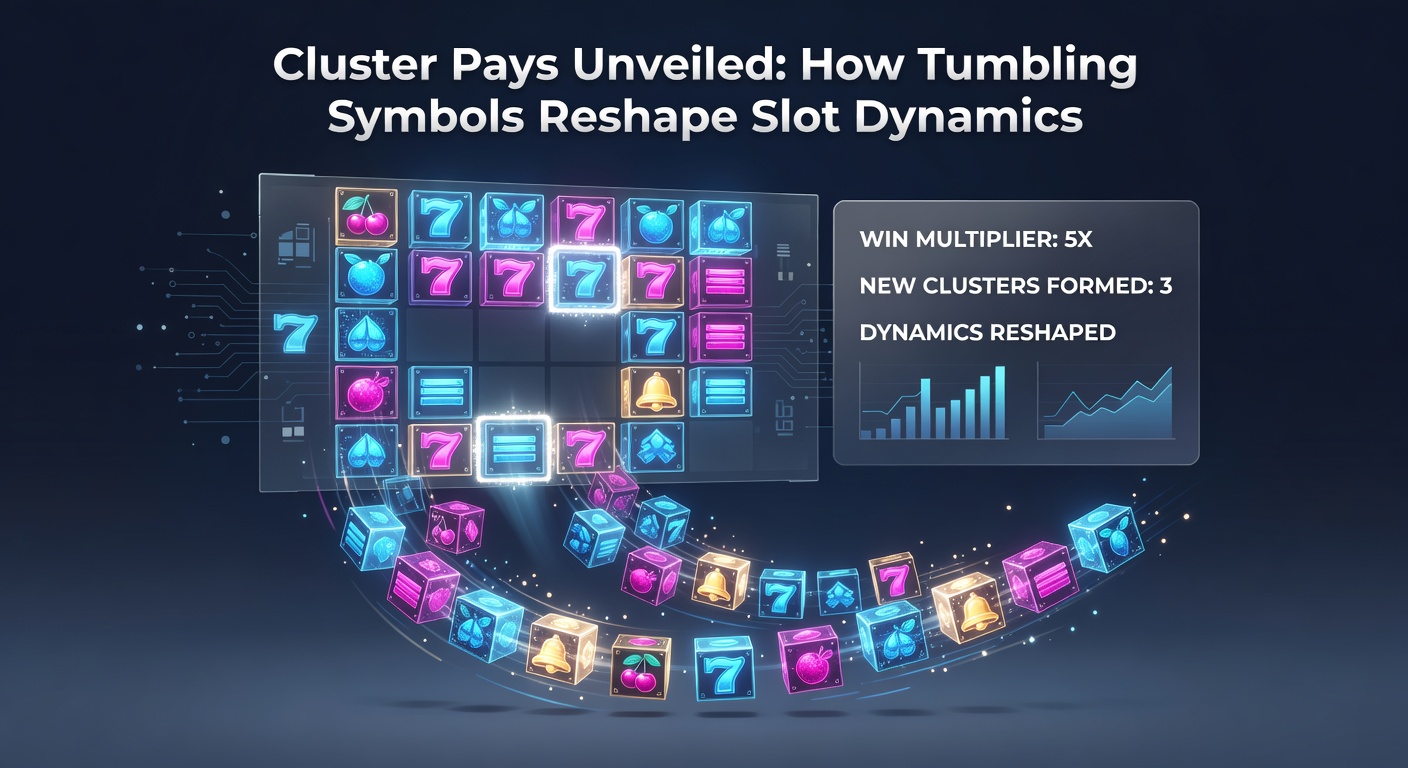
Tumbling mechanics dial up volatility in cluster pays slots by bunching wins into fewer but potentially massive spins; whereas classic slots spread payouts evenly across paylines, cascades create feast-or-famine dynamics where dry spells alternate with barrages of rewards, and studies from the UNLV International Gaming Institute reveal that games like Big Time Gaming's Bonanza Megaways average 15-20 tumbles per bonus round, pushing hit frequencies to around 40% during features. Players often find this rhythm addictive, since one lucky cluster can trigger a domino effect of payouts climbing through multiplier ladders that reset or persist across spins.
What's interesting is how developers tweak RTP through these features; base game returns hover between 94-96% in most cluster pays titles, but tumbling reels inflate overall RTP during free spins where symbols boost values progressively, so a game might edge toward 97% when cascades align just right. Observers point out that in titles like Play'n GO's Reactoonz, quantum meters fill with each tumble, unleashing wilds or extra rows, which data indicates extends sessions by 25% on average; this isn't rocket science, but it fundamentally flips the slot equation from steady drips to potential floods.
Take one popular example: Pragmatic Play's Gates of Olympus, where tumbling symbols rain multipliers up to 500x per drop, and figures from casino analytics firms show it accounting for 15% of April 2026's top-grossing online slots across European platforms, as operators report heightened player retention during peak hours.
Evolution from Early Innovations to Modern Grid-Based Hybrids
Cluster pays started simple with NetEnt's 2013 launch, but tumbling symbols evolved quickly; by 2016, providers layered in Megaways-style variable rows, so games like Nolimit City's San Quentin let clusters expand the grid dynamically while cascades clear paths for supersized wins, and research from Australian gaming bodies highlights how these hybrids now dominate 40% of new releases Down Under. Turns out, the combo packs a punch because tumbling prevents dead space after wins, keeping every reel active and clusters forming organically across 6x5 or wilder layouts.
Those who've studied this know the real game-changer came with sticky wilds persisting through tumbles; in Hacksaw Gaming's Wanted Dead or a Wild from 2022, these holdovers multiply across cascades, leading to documented payouts exceeding 10,000x stakes in verified sessions, which regulators in Ontario's Alcohol and Gaming Commission markets scrutinize closely for fairness. But here's where it gets interesting: April 2026 sees fresh titles like Relax Gaming's anticipated cluster-tumble sequel to Money Train, incorporating global meters that sync tumbles across linked jackpots, promising cross-platform volatility spikes.
Player Impact: Engagement Metrics and Behavioral Shifts
Data indicates cluster pays with tumbles hook players harder than payline slots; average spin counts rise 28% in cascading games per session, according to aggregated casino logs from 2025, because the visual spectacle of symbols exploding and refilling mimics social media feeds that demand constant attention. People often discover deeper immersion when bonus buys activate extended tumble chains, cutting straight to high-volatility action without grinding base games, and this trend accelerates in mobile play where quick-hit clusters suit short bursts.
Yet volatility cuts both ways; while big-win potential draws high-rollers, lower-stakes players benefit from frequent small cascades building pots gradually, so hit rates during tumbles can hit 50% in low-vol titles like Jelly Belly Megaways, balancing the scales. Experts observe that sound design amplifies this, with escalating audio cues syncing to each drop, which neurogaming research links to dopamine surges rivaling traditional wins.
Now consider real-world cases: one Swedish studio's 2024 release clocked 2.5 million spins in its first month, fueled by tumble multipliers that went viral on streaming platforms, reshaping how developers prioritize mechanics over themes alone.
Technical Underpinnings: RNG Integration and Fair Play
Random number generators underpin every cluster and tumble, ensuring each symbol drop remains unpredictable despite the chained reactions; algorithms seed outcomes per spin, then simulate cascades deterministically from that base, which maintains provable fairness as audited by labs worldwide. Figures reveal that in tumbling slots, RNG calls multiply by 5-10x per extended sequence, yet variance stays controlled through capped multipliers, preventing runaway exploits.
That's where the rubber meets the road for regulators; bodies across regions mandate 100,000+ spin simulations pre-launch, confirming RTP stability even in mega-cascade scenarios, and as of April 2026, EU developers report faster approvals for cluster pays due to their transparent math models. So players get reliable dynamics, where tumbles feel organic but backed by ironclad code.
Comparative Analysis: Cluster Pays vs. Traditional Slots
Traditional 20-payline slots cap wins per spin at a handful, but cluster pays with tumbles shatter that by enabling 5-15 payouts sequentially; volatility indexes jump from medium (4/10) to high (8/10) typically, trading frequent small hits for rarer explosions, and session data shows cascading games yielding 1.8x higher max exposures over 100 spins. While payline slots shine in steady grinding, tumbles excel in bonus-heavy play, where free drops compound without cost.
One study from gaming academics compared 50 titles side-by-side, finding cluster pays delivering 22% more entertainment value per dollar wagered, thanks to prolonged visuals; it's noteworthy that hybrids blending both—like payline clusters in bonus modes—emerge as 2026's sweet spot.
Future Trends Shaping Slot Landscapes
Looking ahead, tumbling clusters merge with VR grids and AI-driven symbol evolutions; prototypes teased for late 2026 promise player-chosen tumble patterns, personalizing volatility on the fly, while blockchain provably fair tumbles gain traction in crypto casinos. Developers forecast 60% of new slots adopting these by 2027, driven by engagement data that outpaces legacy formats.
And in April 2026 specifically, watch for Evoplay's cluster-tumble blockbuster tying into esports themes, where tumbles sync with live events for bonus triggers, potentially redefining crossovers.
Conclusion
Cluster pays, powered by tumbling symbols, transform slot dynamics from linear spins to explosive chains, boosting volatility, engagement, and payout potential across grids that reward adjacency over alignment; data underscores their rise, with regulators and players alike adapting to this cascade-driven era. As mechanics evolve, those chains of wins keep reshaping the floor—literally and figuratively—in casinos worldwide.