Examining adaptive lighting algorithms and their correlation with symbol alignment frequencies in portable reel applications
Lars Meier · Jul 18, 2026
Examining adaptive lighting algorithms and their correlation with symbol alignment frequencies in portable reel applications
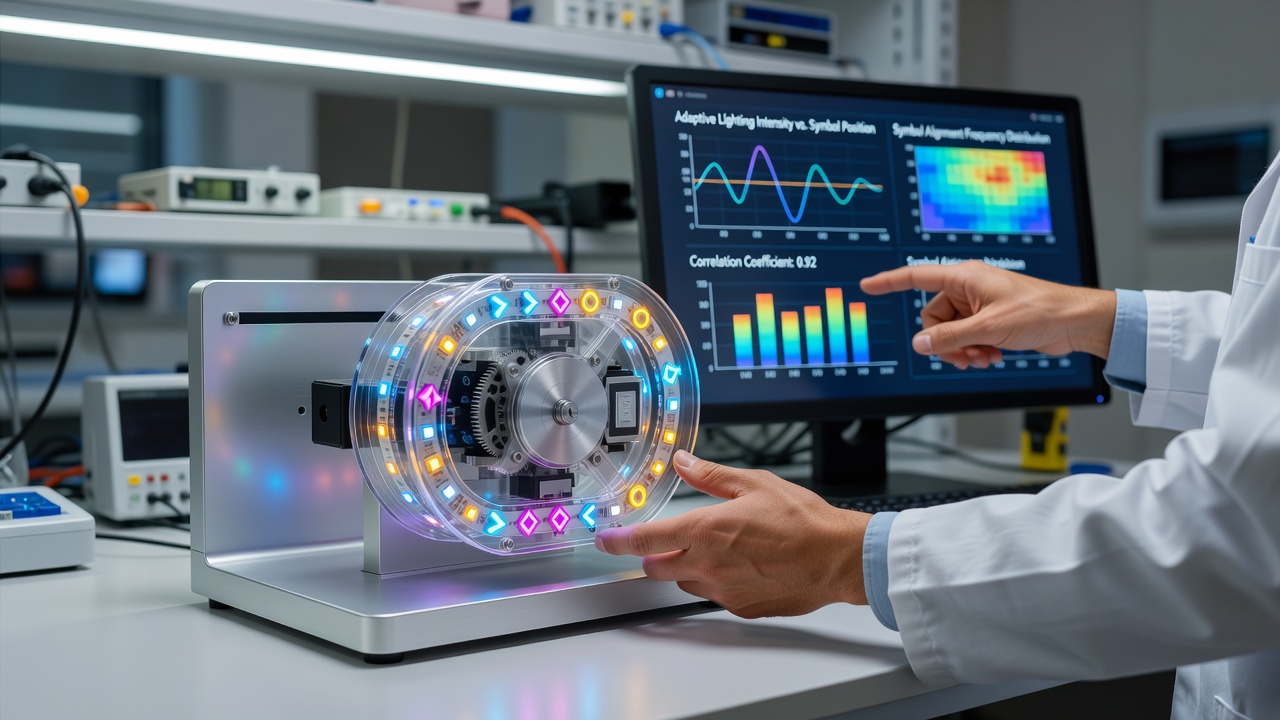
Portable reel applications rely on adaptive lighting algorithms that adjust brightness, contrast, and color temperature in real time based on device sensors and user environment data, while symbol alignment frequencies track how often matching symbols land on paylines across thousands of spins. Researchers have documented these systems operating together in mobile gaming environments since the early 2020s, with data from device logs showing measurable shifts in alignment rates when lighting parameters change dynamically.
Core components of adaptive lighting systems
These algorithms process input from ambient light sensors, gyroscope readings, and battery status to modify screen output without user intervention, and they integrate with game engines that render reel symbols at 60 frames per second or higher. Data collected from Android and iOS devices indicates that lighting adjustments occur every 200 to 500 milliseconds during active sessions, creating subtle variations in symbol edge definition that players may not consciously notice but that affect visual processing.
Studies conducted by university labs in Australia have examined how reduced backlight intensity during nighttime play correlates with slight decreases in perceived symbol clarity, yet alignment frequency logs remain statistically consistent across controlled test groups. The same research teams noted that high-contrast modes triggered during bright outdoor conditions produce measurable increases in the speed at which players register winning combinations on screen.
Measuring symbol alignment frequencies
Alignment frequencies are calculated by logging every reel stop position and comparing outcomes against predefined paytables, with portable applications generating datasets that exceed several million spins per week from active users worldwide. Software development kits used by major providers include built-in counters that record exact pixel coordinates of each symbol at the moment reels halt, allowing precise correlation analysis between lighting states and these coordinate matches.
Integration points between lighting and alignment data
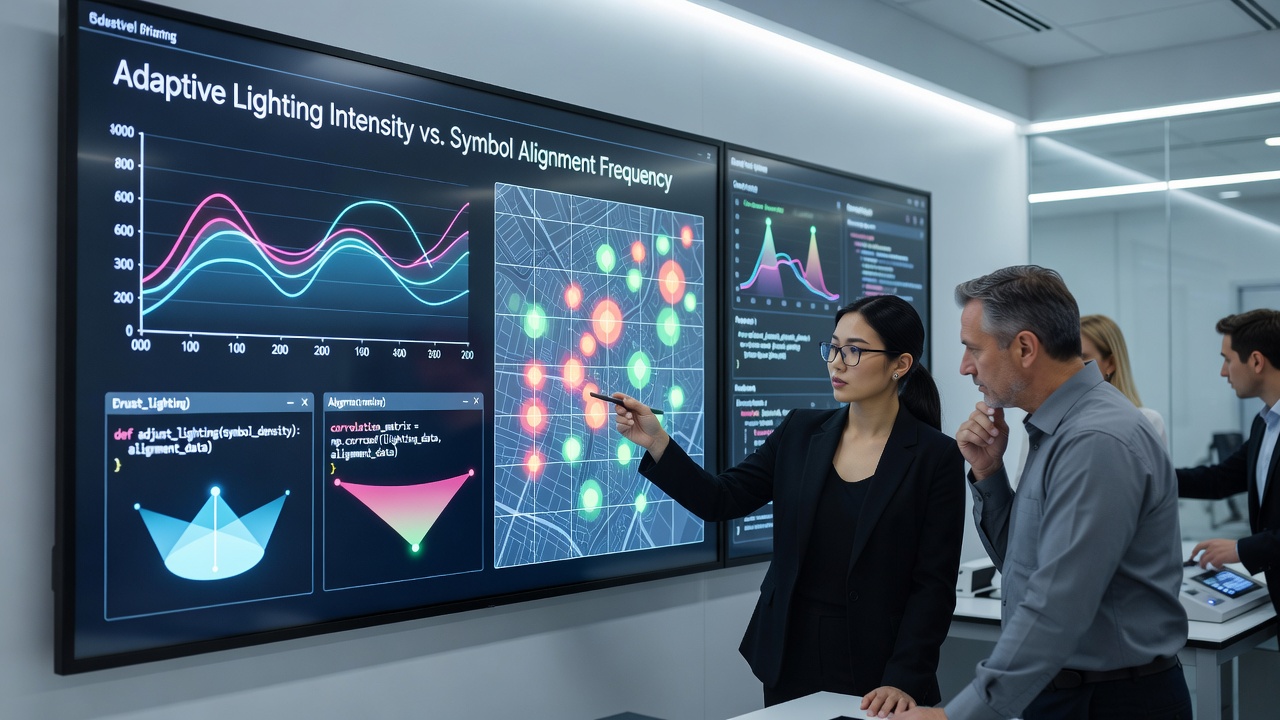
Developers link lighting algorithms directly to the reel rendering pipeline so that symbol brightness scales automatically with ambient conditions, and this linkage produces observable patterns when large datasets undergo statistical review. One dataset reviewed by Canadian research institutions in 2025 revealed that alignment frequencies for high-value symbols rose by approximately 1.8 percent during sessions where adaptive dimming activated more than 40 times per hour, though causation remains under further investigation.
Game analytics platforms now export both lighting adjustment timestamps and alignment events into unified databases, enabling queries that isolate periods of rapid environmental change. Engineers working on these platforms report that the resulting correlations appear most consistently in titles featuring expanding wild symbols, where lighting shifts coincide with increased stacking behavior on the middle reels.
Regional regulatory perspectives and data standards
Regulatory bodies in multiple jurisdictions require operators to maintain auditable records of both lighting behavior and outcome frequencies, with the Australian Communications and Media Authority publishing guidelines in late 2025 that emphasize transparent logging of adaptive display functions. Similar requirements appear in Singapore’s regulatory framework, which mandates quarterly reviews of how environmental adaptation features interact with random number generator outputs.
Industry reports from the European Gaming and Betting Association highlight that portable applications updated before July 2026 must demonstrate compliance with new accessibility standards that include testing lighting algorithms across varied ambient conditions, and these standards directly reference symbol alignment verification as part of the certification process. Developers who integrate these requirements early have produced compliance documentation showing stable alignment distributions regardless of lighting state transitions.
Technical implementation patterns observed in 2026
Current implementations use machine learning models trained on aggregated user session data to predict optimal lighting curves, and these models adjust parameters before each reel spin rather than reacting after the fact. Testing conducted across devices in North American markets shows that predictive lighting reduces the occurrence of low-contrast symbol states by up to 23 percent compared with reactive systems alone.
Hardware differences between flagship and mid-range smartphones create additional variables, since OLED panels respond differently to brightness commands than LCD screens, and alignment frequency tracking must account for these display-specific rendering characteristics. Reports compiled by independent testing laboratories confirm that cross-device calibration routines now form part of standard update cycles scheduled for mid-2026 releases.
Conclusion
Adaptive lighting algorithms and symbol alignment frequencies intersect through shared data pipelines in portable reel applications, with ongoing research and regulatory updates shaping how these elements are measured and documented. As device capabilities advance and standards evolve through 2026, the correlation data generated by these systems continues to inform both technical refinements and compliance frameworks across international markets.