Examining the Synchronization of Visual Effects with User Decisions in Modern Portable Reel Interfaces
Dana Klein · Aug 24, 2026

Examining the Synchronization of Visual Effects with User Decisions in Modern Portable Reel Interfaces
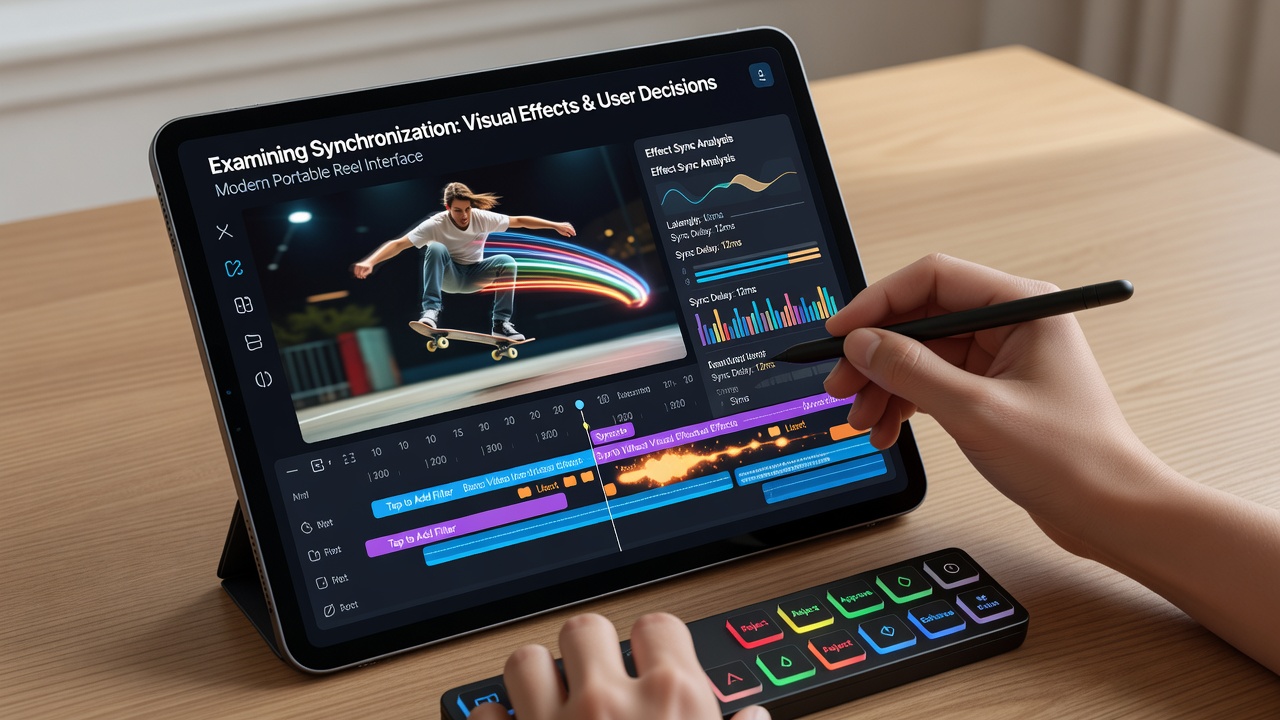
Modern portable reel interfaces rely on precise coordination between visual effects and user decisions to deliver responsive gameplay in mobile slot environments, where each tap or swipe triggers immediate graphical responses that reflect the chosen action. Developers integrate real-time rendering engines with input detection systems so animations align with decisions such as reel stops, bonus selections, or feature activations without noticeable lag across various device hardware configurations.
Core Mechanisms Driving Visual Synchronization
Engineers employ event-driven architectures that process user inputs through layered software stacks, converting touch coordinates into commands that update particle systems, lighting shifts, and symbol transformations simultaneously. Data from device sensors, including gyroscope readings and touch pressure metrics, feeds into these systems to adjust effect intensity based on the specific decision path selected by the player. Research from mobile interface laboratories indicates that synchronization intervals below 50 milliseconds maintain perceived continuity, while longer delays disrupt the connection between choice and outcome display.
Input Processing and Rendering Pipelines
Portable reel platforms route decision signals through optimized graphics APIs that prioritize frame updates for selected elements, such as highlighted reels or expanding wild symbols, while background animations continue at reduced priority to conserve battery resources. Studies conducted by human-computer interaction teams at institutions like the University of Waterloo have documented how these pipelines handle concurrent inputs during rapid decision sequences, such as multiple bonus round choices in succession, by queuing visual updates in priority buffers that prevent overlap artifacts.
Examples of Decision-Linked Effects in Current Applications
Take one interface where a player selects a multiplier option during a bonus round, and the system immediately renders expanding number overlays that scale according to the chosen value while reel symbols rearrange in matching color gradients. Observers note that developers test these sequences across operating systems including iOS and Android variants to ensure consistent timing regardless of processor load or network conditions that might affect asset streaming. In August 2026 several platforms plan incremental updates to these synchronization routines as part of broader compatibility adjustments for newer chipset architectures entering the market.
Another case involves scatter symbol collection mechanics where user decisions to hold or release certain positions prompt corresponding glow effects and particle trails that track the exact reel positions chosen. Industry reports compiled by the Canadian Gaming Association highlight how such features reduce perceived randomness by providing clear visual feedback loops that confirm each decision state before the next spin initiates.
Technical Considerations for Cross-Device Consistency
Developers address hardware variability by implementing adaptive frame rate scaling that maintains synchronization quality on both high-end tablets and entry-level smartphones, adjusting effect complexity based on available GPU capabilities detected at runtime. Figures from device analytics platforms reveal that interfaces employing these adaptive methods sustain average synchronization accuracy rates above 95 percent across tested user sessions, with particular attention given to regions experiencing variable mobile network performance. Those who study portable gaming ecosystems often point to the integration of predictive input buffering as a key factor that anticipates likely user decisions and pre-renders corresponding visual states to minimize any perceptible delay.
Challenges in Maintaining Real-Time Alignment
Network latency during cloud-assisted reel calculations can introduce timing variances that require client-side compensation algorithms to realign visual effects with teh final decision outcomes once data returns from remote servers. Researchers at technical conferences have presented methods for using local simulation previews that display provisional animations while awaiting server confirmation, then seamlessly transition to the verified result without resetting the visual sequence. Such approaches prove especially relevant in markets where regulatory frameworks in places like Australia require transparent outcome verification that still supports fluid user interaction.
Integration with Broader Interface Trends
Portable reel designs increasingly incorporate gesture-based decisions that extend beyond simple taps, allowing users to swipe reels into specific alignments or pinch elements to trigger magnified visual inspections before committing to a choice. These extended input methods demand correspondingly sophisticated synchronization layers capable of mapping complex gesture data to multi-stage animation chains that evolve in direct response to finger movements. Evidence from usability testing sessions shows that interfaces succeeding in this area maintain consistent visual momentum across the entire gesture duration rather than resetting effects at intermediate decision points.
Conclusion
The synchronization of visual effects with user decisions in modern portable reel interfaces continues to evolve through refinements in input handling, rendering pipelines, and adaptive performance scaling. Data from ongoing industry monitoring indicates steady progress in reducing response variances while supporting diverse device ecosystems and regulatory expectations across multiple regions. As hardware advances accelerate into 2026, these systems stand positioned to incorporate additional sensor inputs and predictive techniques that further tighten the alignment between player choices and displayed outcomes.