Exploring Cross-Platform Data Integration in Shaping Customized Reward Pathways Within Portable Reel Entertainment Systems
Avery Frank · Aug 5, 2026
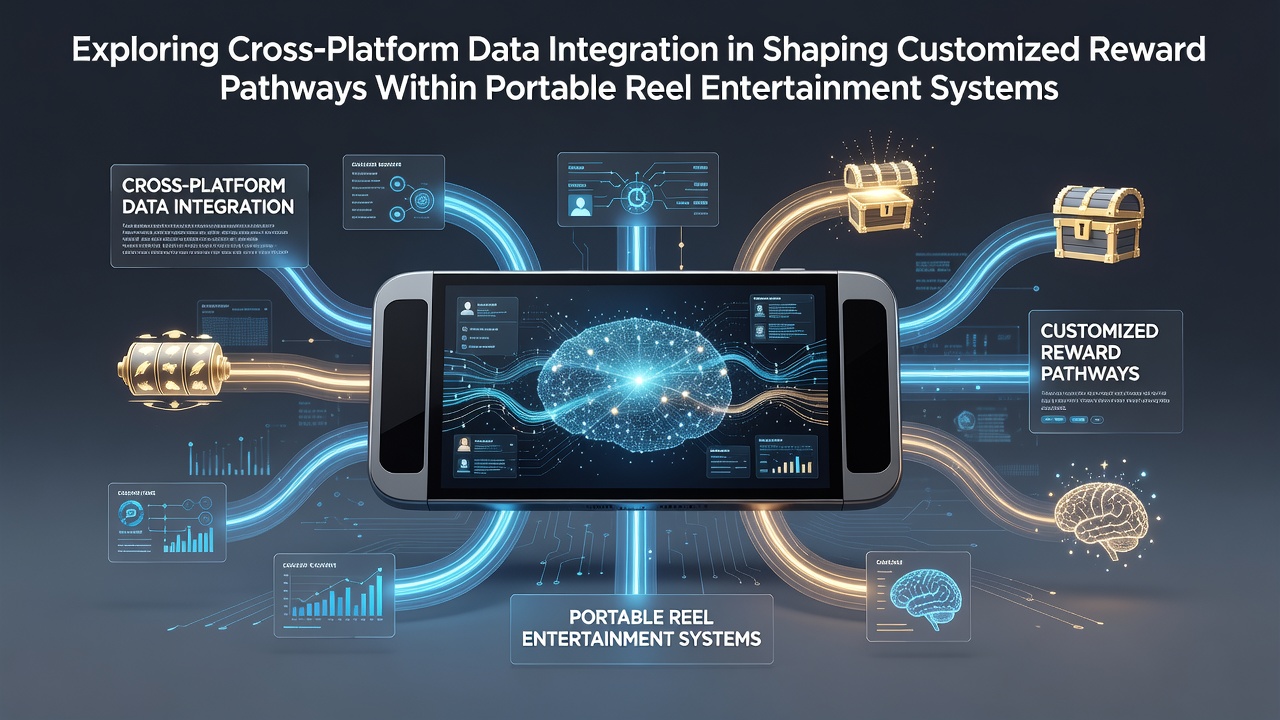
Exploring Cross-Platform Data Integration in Shaping Customized Reward Pathways Within Portable Reel Entertainment Systems
Portable reel entertainment systems rely on data streams that move between smartphones, tablets, and web interfaces, and cross-platform integration merges these streams into unified user profiles that drive personalized reward sequences. Developers pull play history, session lengths, and preference indicators from separate operating systems, then feed the combined records into recommendation engines that adjust bonus structures in real time. This process lets operators deliver reward pathways that shift according to device usage patterns without requiring separate accounts for each platform.
Data Sources and Integration Methods
Operators collect telemetry from iOS and Android applications alongside browser-based sessions, and synchronization occurs through secure application programming interfaces that standardize formats across vendors. Cloud-based repositories store the aggregated records, while machine learning models identify correlations between time of day, device type, and wager size. In August 2026, several major platforms updated their synchronization protocols to accommodate new compression standards that reduce latency during peak usage periods, allowing reward adjustments to occur within milliseconds of a player switching devices.
Studies conducted by the University of Nevada, Las Vegas Center for Gaming Research show that integrated datasets improve prediction accuracy for player retention metrics by approximately 18 percent compared with siloed records. These models examine sequences such as consecutive losses followed by increased bet sizes, then trigger tailored free-spin allocations or multiplier boosts that appear only on the device the player currently uses.
Customization of Reward Pathways
Once profiles consolidate across platforms, algorithms segment users into dynamic cohorts that receive distinct reward schedules. One cohort might see progressive jackpot contributions accelerate after cross-device sessions exceed a threshold, while another receives deposit-match bonuses calibrated to historical activity on tablets versus phones. The same integration layer also tracks symbol interaction patterns and applies them to future reel configurations, so a player who frequently triggers cluster pays on mobile receives similar mechanics highlighted during web sessions.

Regulatory frameworks in multiple jurisdictions require explicit consent for data sharing between platforms, and operators maintain audit logs that document every reward calculation tied to integrated records. Australian Communications and Media Authority guidelines, for instance, mandate that players receive clear notices when cross-device data influences bonus eligibility, ensuring transparency without interrupting gameplay flow.
Technical and Security Considerations
Encryption protocols protect data in transit between devices and central servers, while tokenization replaces identifiable information during processing steps. Compatibility testing covers varying screen resolutions and network conditions so reward notifications render consistently whether a session originates on cellular data or Wi-Fi. Industry reports indicate that platforms adopting unified data schemas experience fewer reconciliation errors when players migrate between operating systems mid-session.
Hardware differences also influence reward delivery timing, since portable devices vary in processing power and graphics capabilities. Integration systems therefore pre-calculate reward assets on the server side and push only lightweight instructions to the client, preserving battery life while maintaining visual continuity across reel spins and bonus animations.
Regulatory and Market Context
Market data compiled through 2026 shows rising adoption of cross-platform frameworks among operators targeting international audiences, with particular growth in regions that updated digital gaming statutes during the prior year. Compliance teams now coordinate with data protection authorities in the European Union and Canada to align retention policies with local requirements, and these alignments affect how long reward histories remain available for personalization algorithms.
Developers continue to refine edge-computing approaches that perform initial data filtering on the device itself before transmission, reducing bandwidth demands and supporting faster reward pathway updates. These refinements coincide with hardware releases scheduled for late 2026 that include dedicated neural processing units capable of running lightweight personalization models locally.
Conclusion
Cross-platform data integration supplies the foundation for reward pathways that adapt to individual play patterns across portable reel systems, and ongoing protocol updates scheduled through August 2026 aim to improve both speed and regulatory alignment. The combination of standardized data exchange, machine learning segmentation, and device-aware delivery mechanisms produces reward sequences that respond to user behavior without requiring separate configuration on each platform. Observers tracking these developments note continued emphasis on consent mechanisms and encryption standards as core components of sustainable implementation.