Exploring Interconnections Between Regulatory Compliance Standards and Feature Activation Thresholds in Virtual Gaming Applications
Lars Meier · Jul 15, 2026
Exploring Interconnections Between Regulatory Compliance Standards and Feature Activation Thresholds in Virtual Gaming Applications
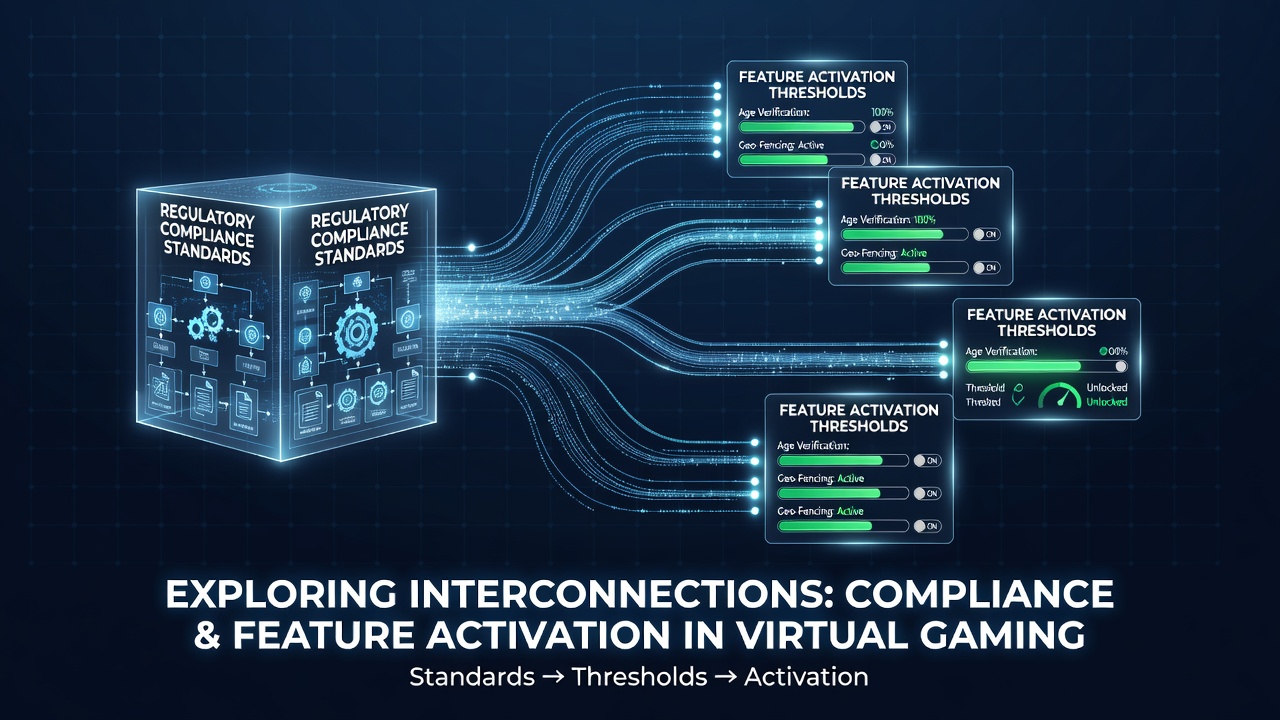
Virtual gaming applications operate under layers of regulatory oversight that directly shape how features activate during play, and observers note these connections become especially visible when examining threshold mechanics across different jurisdictions. Regulatory bodies set parameters around random number generator behavior, payout ratios, and bonus triggers, which in turn influence the minimum bet levels or spin counts required before certain features engage. Data from multiple regions shows these standards create consistent patterns in how developers configure activation points to remain within approved boundaries.
Regulatory Frameworks Across Key Markets
Agencies in the United States, Australia, and Canada establish distinct rules that affect feature design. The Nevada Gaming Control Board requires detailed documentation of all bonus activation logic before software receives certification, while Australian state regulators enforce similar reviews through technical standards that specify how thresholds must align with fairness criteria. Canadian provincial authorities apply comparable scrutiny during licensing, with emphasis on preventing premature feature triggers that could skew expected return percentages. These frameworks require developers to submit simulation data demonstrating that activation thresholds remain stable under various player behaviors and session lengths.
How Thresholds Interact with Compliance Requirements
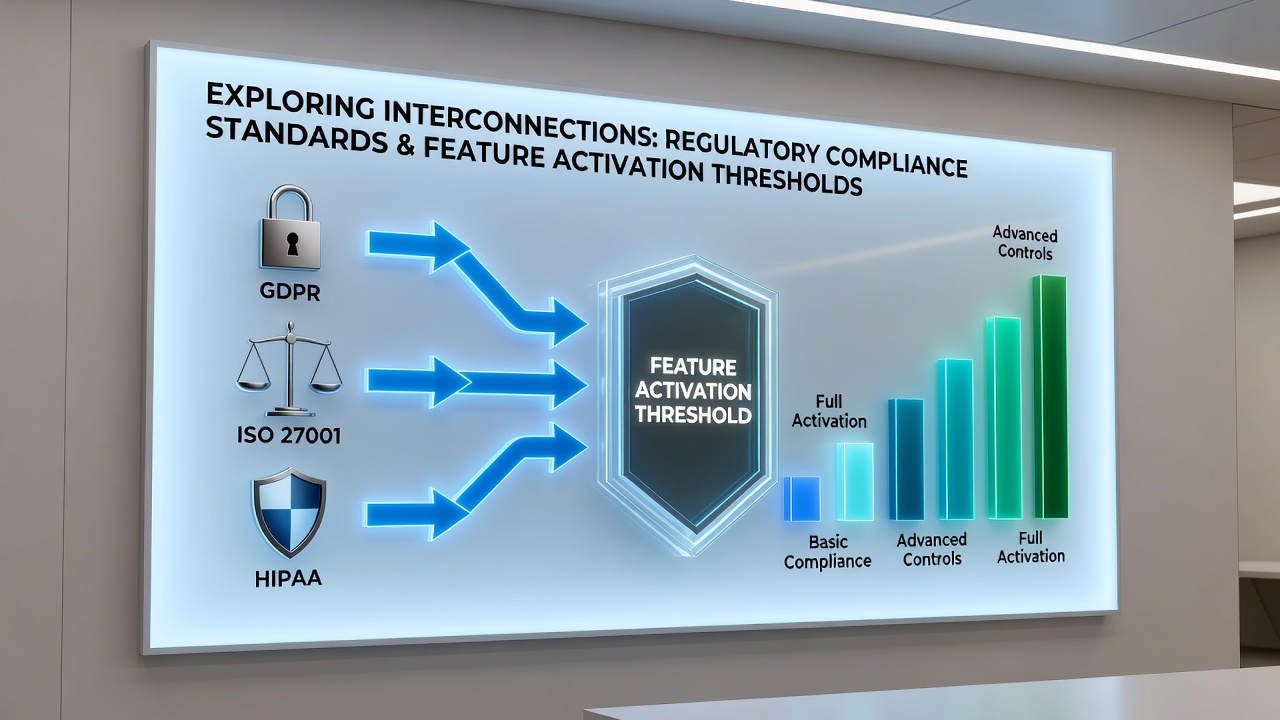
Feature activation thresholds often represent calculated points where bonus rounds, multipliers, or progressive elements become available, and compliance standards dictate the mathematical boundaries around those points. Studies from industry research groups indicate that regulators frequently mandate minimum spin counts or wager multiples before certain mechanics engage, which prevents rapid cycling through high-value features in short sessions. Developers adjust code to meet these constraints while preserving game flow, resulting in thresholds that vary by jurisdiction even for the same title. Reports from the Malta Gaming Authority highlight cases where threshold recalibration followed updates to local technical specifications in 2025.
Technical Implementation and Monitoring Practices
Virtual gaming platforms integrate compliance checks directly into their backend systems, and these checks monitor threshold adherence in real time. Software must log every activation event alongside associated bet sizes and session data, allowing regulators to audit patterns for deviations. One analysis of certified games revealed that threshold values for scatter-triggered features typically sit between 50 and 150 spins depending on the regulatory environment, with tighter controls appearing in markets that emphasize session duration limits. Automated reporting tools flag instances where activation rates exceed documented parameters, prompting reviews that may require threshold adjustments before further distribution.
Developments Around Mid-2026
Industry observers tracked several regulatory updates scheduled for July 2026 that address threshold transparency in mobile applications. Proposed guidelines from multiple jurisdictions call for clearer disclosure of activation probabilities within game rules, which would require developers to recalibrate certain features to match new documentation standards. Testing laboratories already prepare validation protocols that incorporate these changes, focusing on how threshold modifications affect overall game mathematics. Data collected through 2025 shows consistent alignment between stricter threshold rules and lower variance in bonus frequency across approved titles.
Case Examples from Certified Platforms
Developers working with multi-jurisdictional releases often maintain separate threshold configurations for each market, and records from certification processes illustrate this approach. One documented title adjusted its progressive feature trigger from a 75-spin average in one region to a 120-spin average in another to satisfy differing fairness calculations. Regulatory filings from that project detail how simulation runs confirmed compliance after the change, with activation logs submitted for final approval. Similar adjustments appear across cluster-pay and cascading reel formats when operators expand into additional territories.
Conclusion
Regulatory compliance standards and feature activation thresholds remain closely linked through technical requirements, audit procedures, and certification workflows that span multiple regions. Evidence from regulatory bodies and testing organizations demonstrates that threshold settings adapt to meet jurisdiction-specific rules while preserving core game functionality. Ongoing updates scheduled through 2026 continue to refine these interconnections as virtual gaming applications evolve.