How Algorithmic Adjustments Based on User Behavior Data Refine Bonus Trigger Mechanisms in Portable Casino Applications
Sofia Bauer · Jun 22, 2026
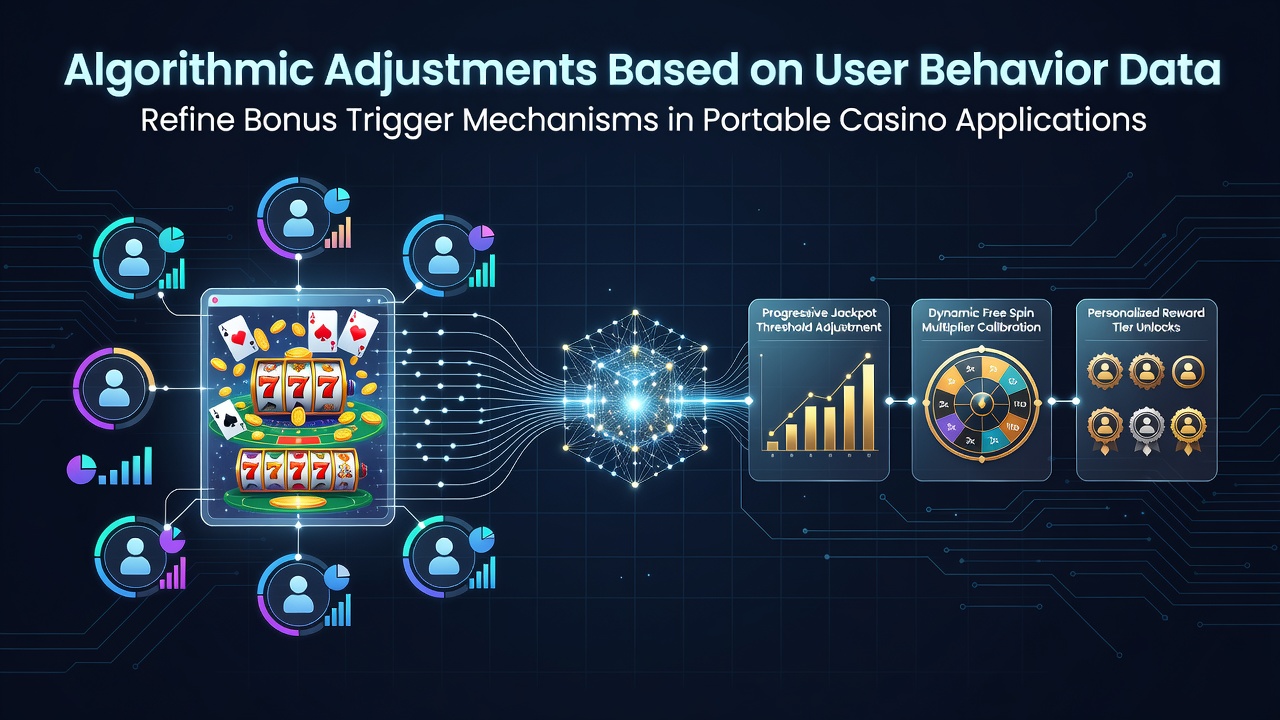
How Algorithmic Adjustments Based on User Behavior Data Refine Bonus Trigger Mechanisms in Portable Casino Applications
Portable casino applications rely on continuous streams of user behavior data to adjust bonus trigger mechanisms, and these adjustments occur through layered algorithmic processes that track session length, bet frequency, and feature engagement rates. Developers collect anonymized metrics such as time spent on specific reel configurations, response times to pop-up prompts, and patterns in deposit activity, then feed those inputs into machine learning models that recalibrate trigger probabilities in real time. As of June 2026 several major platforms reported rolling out updated versions of these systems following internal testing cycles that spanned the previous twelve months.
Data Inputs That Drive the Process
Behavior logs capture granular details including the number of spins completed before a user exits, the average stake per spin across different game categories, and the sequences of wins or near-misses that precede bonus round activations. Researchers note that these data points combine with device-specific variables such as screen resolution, battery level indicators, and network latency measurements because those factors influence how long a session remains stable on handheld hardware. Models then segment users into cohorts based on observed retention curves rather than static demographic labels, allowing the same application to present different bonus entry conditions to different players within the same geographic region.
Algorithmic Refinement Techniques
Adjustment routines operate on reinforcement learning frameworks that compare predicted trigger rates against actual activation counts collected over rolling seven-day windows. When a cohort shows lower-than-expected interaction with a particular bonus type, the system incrementally raises the underlying probability weight assigned to that trigger while simultaneously lowering weights for features that have shown higher engagement, thereby maintaining an overall return-to-player envelope that complies with jurisdictional requirements. Engineers implement these shifts through A/B testing pipelines that isolate small user groups, measure downstream effects on session duration, and then propagate successful parameter sets across the broader population once statistical significance thresholds are met.
Impact on Bonus Entry Conditions
Trigger mechanisms in mobile slots now incorporate dynamic thresholds that respond to recent play history; a player who has completed many short sessions without entering a bonus round may encounter an elevated scatter symbol frequency on the next login, whereas someone who recently triggered multiple features receives a temporary cooldown period before the next opportunity appears. These modifications extend beyond simple probability tweaks and include changes to reel strip compositions, the number of symbols required for activation, and the introductory animations that accompany bonus entry screens. Industry reports indicate that such refinements have produced measurable shifts in average time-to-bonus across several high-volume titles released during the first half of 2026.
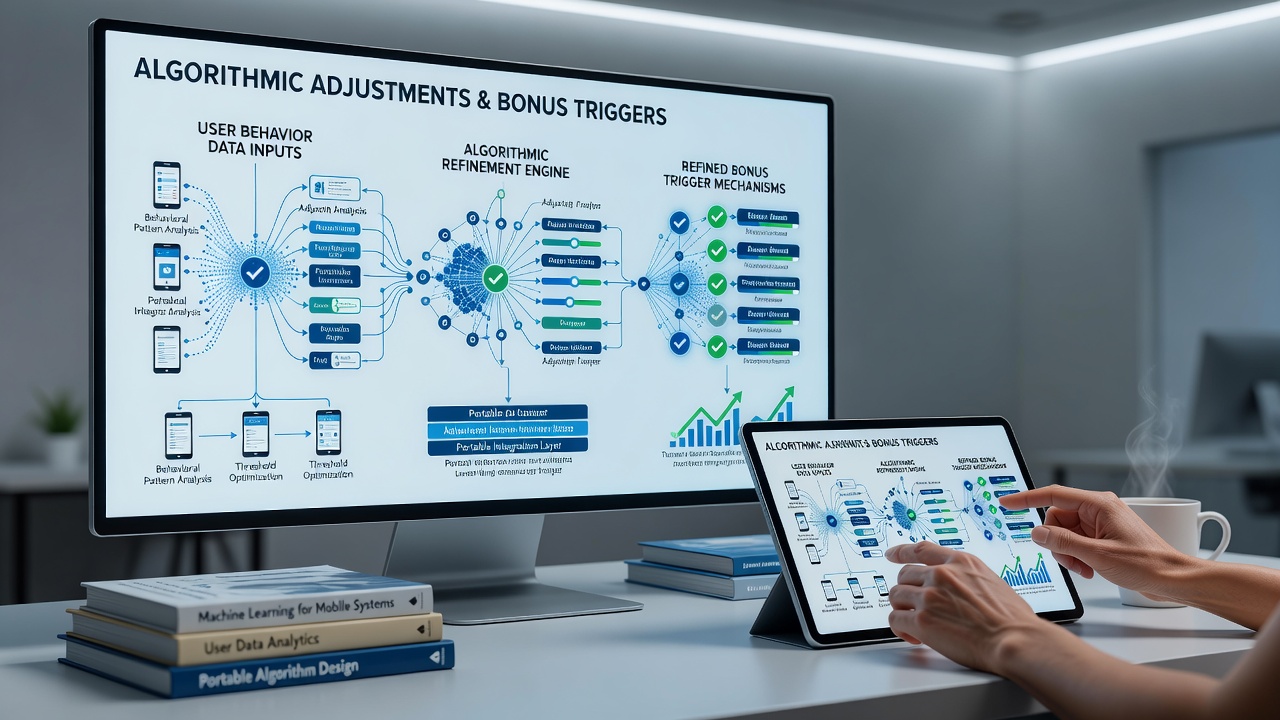
One documented outcome involves the synchronization of bonus availability with peak usage periods identified through historical heat maps; applications now surface enhanced trigger rates during evening commute windows for users whose past activity clusters in those hours, while daytime users receive different calibration settings that align with shorter session lengths typical of lunch-break play.
Regulatory and Technical Oversight
Compliance frameworks in multiple jurisdictions require operators to maintain auditable logs of every algorithmic change that affects prize distribution, and these records must demonstrate that adjustments remain within certified mathematical boundaries. The Nevada Gaming Control Board published updated technical standards in early 2026 that explicitly address real-time parameter modification in mobile environments, requiring third-party verification of the underlying random number generators even after behavioral adjustments occur. Parallel developments in Australia saw the Australian Communications and Media Authority reference similar requirements in its ongoing consultations on digital gambling products.
Security protocols encrypt behavioral datasets both in transit and at rest, while access controls limit which internal teams can view cohort-level aggregates versus individual session records. Testing laboratories conduct periodic reviews that replay historical data streams through updated algorithm versions to confirm that no unintended bias toward higher or lower payout distributions has been introduced during the refinement cycle.
Conclusion
Algorithmic systems that adjust bonus triggers according to user behavior data have become standard infrastructure within portable casino applications, supported by detailed logging, cohort segmentation, and regulatory-mandated verification steps. Continued evolution of these mechanisms depends on the availability of high-quality behavioral datasets and the maintenance of transparent audit trails that satisfy oversight bodies across different regions.