How Cultural Symbolism Shapes Multi-Layered Reward Architectures in Regional Gaming Ecosystems
Dana Klein · Jun 1, 2026
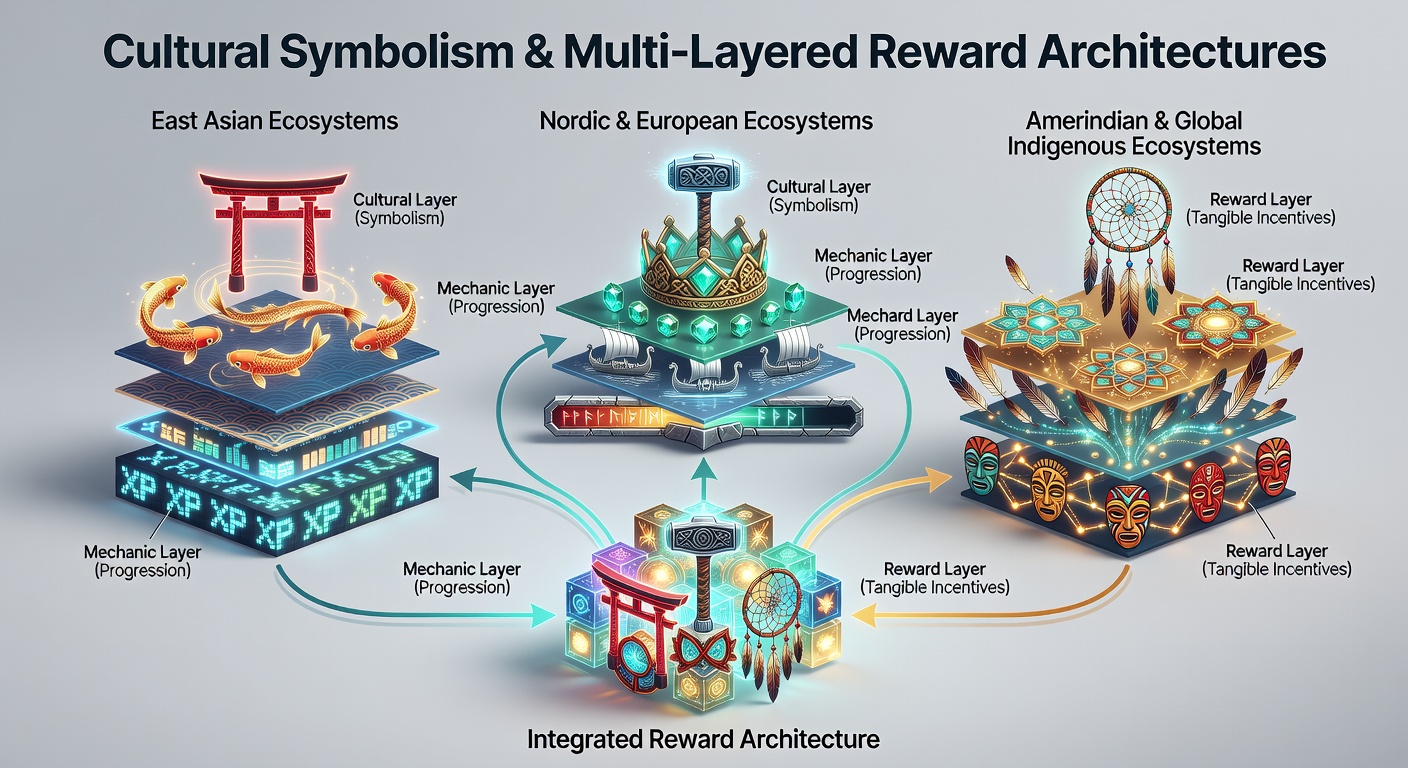
How Cultural Symbolism Shapes Multi-Layered Reward Architectures in Regional Gaming Ecosystems
Regional gaming ecosystems incorporate cultural symbols into reward structures that extend across multiple layers of gameplay, and these elements draw from local traditions to define how bonuses, multipliers, and progressive features activate. Observers note that symbols such as dragons in East Asian markets or ancestral motifs in North American indigenous contexts appear in base games and extend into secondary mechanics where they trigger additional prize tiers. Data from industry reports shows these integrations create distinct architectures that differ by jurisdiction while maintaining core mathematical frameworks.
Symbol Integration Patterns in Asian Markets
East Asian gaming platforms frequently embed dragon and phoenix imagery into reel positions that unlock expanding wilds or cascading multipliers, and these symbols carry forward into free spin rounds where they accumulate additional value through collection meters. Research from the University of Macau indicates that operators in Macau and Singapore align these motifs with regulatory requirements for localized content, which results in reward layers that escalate based on consecutive symbol matches. In June 2026 several platforms in the region plan to roll out updated collections that tie lunar calendar events to temporary multiplier boosts, extending the base architecture without altering core random number generator parameters.
Operators in these markets structure the first reward layer around standard symbol payouts while the second layer activates through scatter combinations that reference historical narratives, and a third layer often incorporates player choice elements drawn from traditional games of chance. Figures from regional associations reveal that such layering increases session duration metrics by aligning visual cues with familiar cultural references.
North American and Indigenous Influences
North American gaming environments incorporate eagle feathers, totem patterns, and tribal crest elements into bonus wheels and pick-and-win sequences, and these symbols connect base game outcomes to community-themed progressive jackpots. The National Indian Gaming Commission maintains records showing that tribal casinos in the United States integrate these motifs into reward architectures that allocate portions of revenue to cultural preservation funds. Canadian operators follow similar patterns under provincial oversight, where symbols tied to First Nations heritage appear in multi-level bonus rounds that distribute prizes across community benefit tiers.
One documented approach involves mapping specific symbols to distinct payout thresholds, so that an initial match opens a secondary screen featuring additional cultural iconography which then determines access to a tertiary prize pool. Studies conducted through university gaming research centers demonstrate that these structures maintain compliance with fairness standards while embedding narrative progression that resonates with regional audiences.
European and Australian Adaptations
European markets draw from medieval heraldry and folklore motifs that populate expanding symbol grids and respin features, whereas Australian operators reference Aboriginal art elements in scatter-triggered bonus trails that progress through multiple stages. Reports issued by the Australian Institute of Criminology note that these cultural references appear within architectures that separate standard returns from feature-specific value accumulation, creating clear divisions between gameplay phases. Operators maintain these distinctions to satisfy licensing conditions that require transparent display of how symbols influence reward calculations.
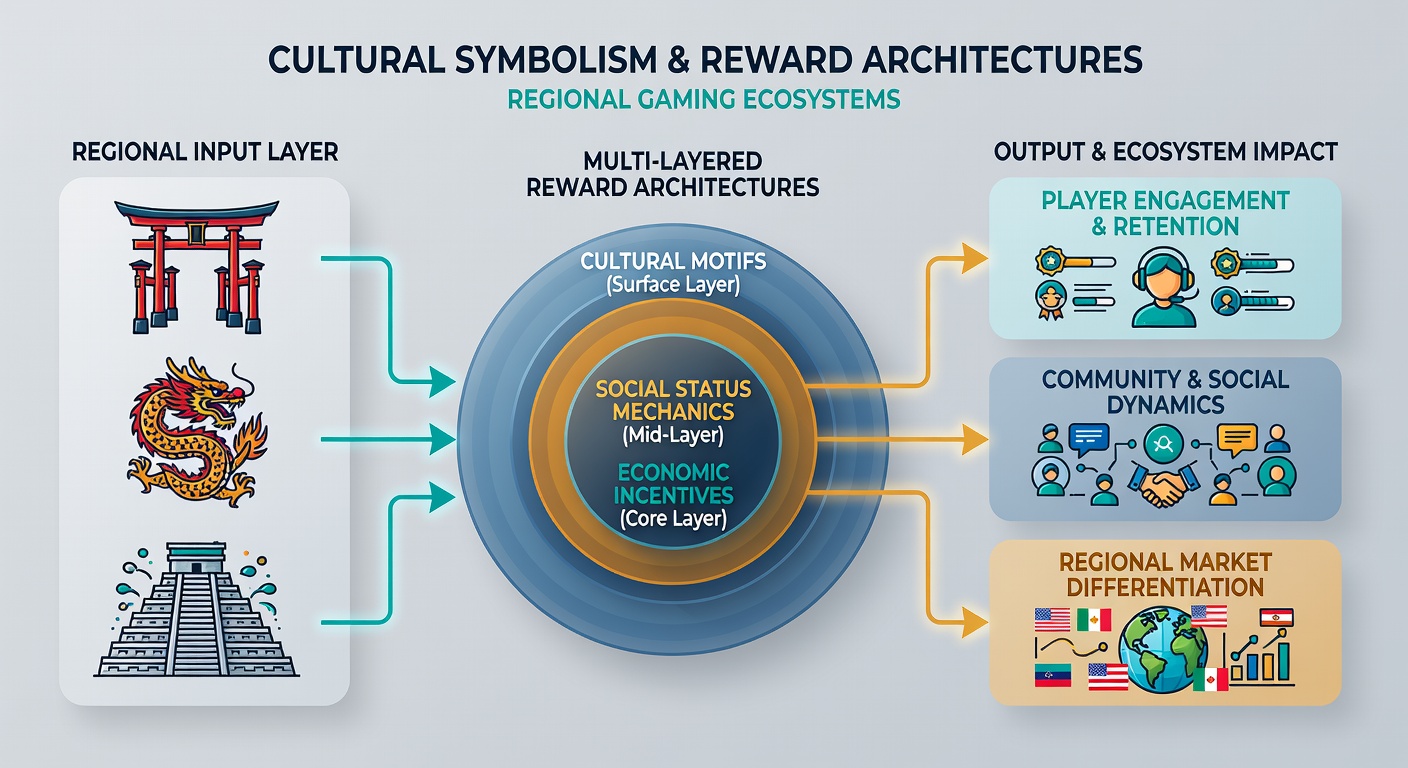
Cross-regional comparisons highlight that symbol placement rules vary according to local content guidelines, yet the underlying probability models remain consistent across implementations. Data compiled by international gaming institutes shows consistent patterns where cultural symbols occupy high-value positions in paytables while lower-tier icons fill supporting roles in the same reward sequences.
Technical Implementation of Layered Rewards
Developers code cultural symbols into state machines that track progression across bonus layers, and each layer references a separate paytable segment that activates upon symbol alignment. This approach allows operators to adjust visual themes without modifying the certified random outcomes that govern results. Technical documentation from gaming laboratories confirms that such modular designs facilitate updates for seasonal cultural events, including those scheduled around June 2026 calendars in multiple jurisdictions.
Players encounter these layers sequentially during standard sessions, with the first activation often tied to base symbol combinations and subsequent layers requiring accumulated progress indicators. Observers note that the separation between layers preserves regulatory clarity regarding return-to-player percentages while permitting operators to emphasize cultural narratives through interface design.
Conclusion
Cultural symbolism continues to inform the construction of multi-layered reward systems across diverse gaming regions, and the integration follows established patterns that balance thematic resonance with technical and regulatory requirements. Data from multiple oversight bodies and academic centers indicates that these architectures evolve through incremental updates rather than wholesale redesigns. Regional operators maintain distinct visual languages while sharing common structural principles that govern how symbols influence prize distribution across gameplay phases.