How Interactive Storylines Integrate With Reel Mechanics in Contemporary Mobile Gaming Applications
Sofia Bauer · May 30, 2026
How Interactive Storylines Integrate With Reel Mechanics in Contemporary Mobile Gaming Applications
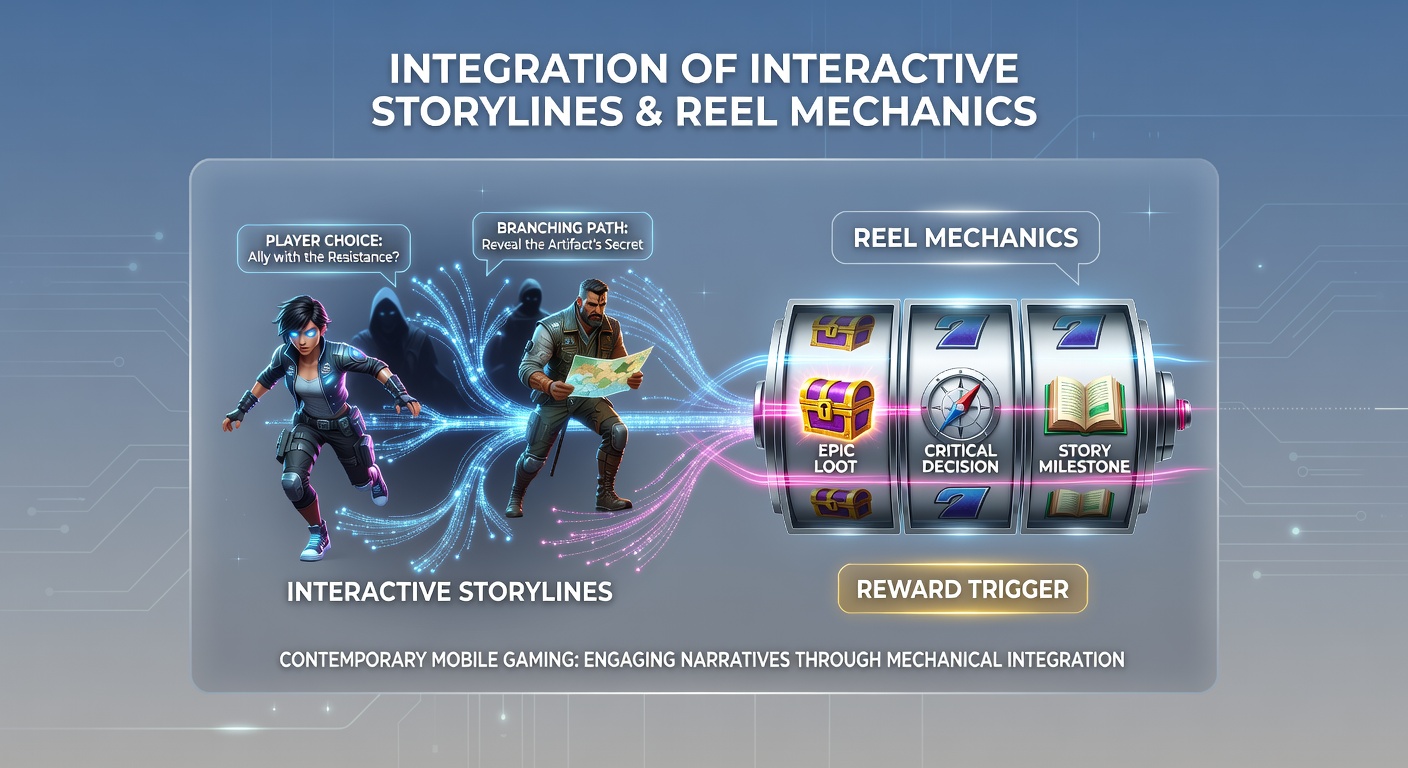
Contemporary mobile gaming applications combine narrative elements with reel-based systems to create layered experiences where user decisions influence symbol outcomes and progression paths, and developers build these mechanics around core spinning frameworks that respond to player input in real time. Reel mechanics operate through randomized symbol alignments across multiple columns, yet when paired with branching storylines they shift from isolated spins into sequenced events that advance plot points based on specific combinations or accumulated choices.
Core Reel Structures in Mobile Environments
Reel systems in wireless formats rely on virtual columns populated by thematic icons, with outcomes determined through algorithmic sequences that maintain fairness across sessions, and mobile applications extend these foundations by embedding narrative triggers directly into the symbol logic so that certain alignments unlock dialogue trees or environmental changes. Data from industry reports shows that integration points often occur at scatter activations or bonus rounds, where the reel display pauses to present decision nodes that alter subsequent reel behavior without disrupting the underlying random generation process.
Observers note that developers map story progression to reel states by assigning narrative weight to symbol values, which means collecting particular icons across spins builds character arcs or unlocks location shifts within the application's fictional setting. This approach keeps the mechanical core intact while allowing players to experience cause-and-effect relationships between their reel results and the unfolding tale.
Methods of Storyline and Reel Synchronization
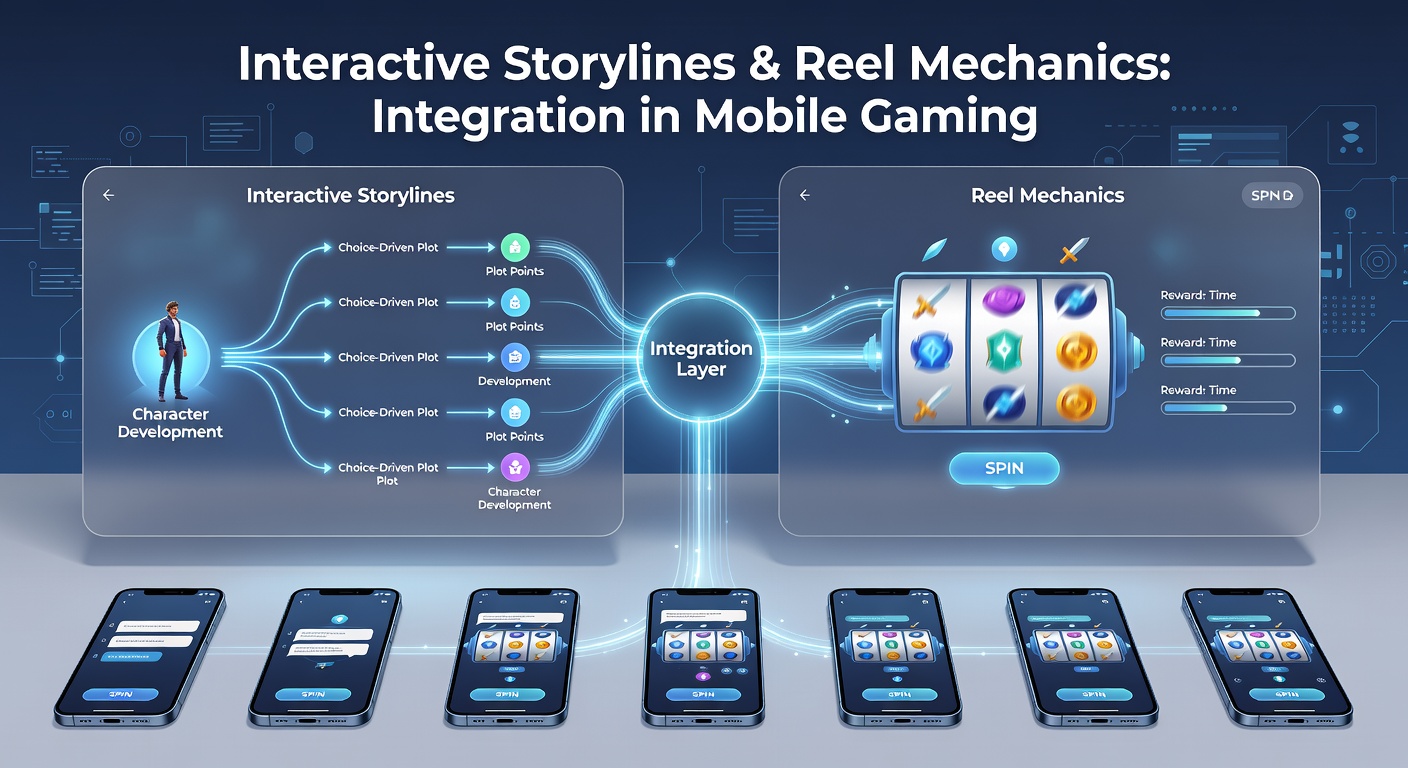
Synchronization occurs through several technical layers where the application tracks cumulative reel data and feeds it into a separate narrative engine that selects appropriate story branches, and this connection lets events such as repeated wild symbol appearances raise tension levels in the storyline or trigger character confrontations. Applications use state machines to monitor reel history, enabling the system to adjust future reel probabilities within predefined limits once a player reaches specific narrative milestones.
What's interesting is how mobile interfaces display these integrations on smaller screens by overlaying compact choice panels directly above or beside the reel grid, allowing seamless transitions between spinning actions and story decisions without requiring separate menus. Research indicates that such designs reduce session interruptions while maintaining engagement across extended play periods.
Examples of Integration Patterns
One documented pattern appears in adventure-themed applications where reel wins contribute resources that determine which story path activates next, and players collect narrative currency through standard reel spins before spending it on choices that reshape the reel layout itself, such as adding new symbol types or modifying payline structures. Another pattern links character development to progressive reel features, where story events earned through consistent play unlock multipliers or reel expansions that then feed back into the narrative as consequences of earlier decisions.
Take applications released in the months leading to May 2026, which incorporated real-time synchronization between reel outcomes and dialogue systems, allowing players to witness story characters react immediately to symbol alignments during active spins. These implementations rely on server-side tracking to ensure consistency across devices, preserving the integrity of both the reel mechanics and the interactive plot regardless of play location.
Technical Considerations and Platform Adaptations
Mobile hardware constraints shape how deeply storylines can intertwine with reels because processing power and battery life limit the complexity of simultaneous calculations, yet optimized code allows applications to handle both reel randomization and narrative state updates within the same frame cycle. Developers address these limits by preloading story assets and using lightweight decision trees that activate only at designated reel events rather than continuously.
According to findings from the Australian Communications and Media Authority, wireless gaming formats have expanded their use of hybrid reel-narrative systems as device capabilities improve, with adoption rates rising steadily through 2025 and into 2026. The same reports highlight that regulatory frameworks in multiple regions require transparent disclosure of how reel outcomes connect to story progression to maintain player trust.
Industry organizations such as the International Game Developers Association have documented case studies where teams tested synchronization methods across different operating systems, confirming that cross-platform consistency depends on standardized data exchange protocols between the reel engine and the storyline module. These protocols ensure that a choice made on one device produces identical reel modifications when the session resumes elsewhere.
Progression Systems and Player Retention Data
Retention metrics in applications that merge storylines with reels often track completion rates of narrative arcs alongside reel spin frequency, revealing correlations between story advancement and continued engagement. Figures from academic studies on mobile interaction patterns demonstrate that players who encounter meaningful reel-driven story consequences tend to extend session lengths compared with those using isolated reel mechanics alone.
Applications released around May 2026 introduced adaptive difficulty within the storyline based on reel performance, where frequent wins accelerate plot developments while challenging reel sequences slow narrative pacing to maintain balance. This calibration occurs through backend algorithms that monitor performance without altering the certified randomness of the core reel system.
Conclusion
Integration of interactive storylines with reel mechanics continues to evolve through refined synchronization techniques and platform-specific optimizations that preserve mechanical integrity while expanding narrative depth. As mobile applications advance, the connection between reel outcomes and story branches provides structured pathways for player agency within established gaming formats, supported by data from regulatory bodies and developer associations that track implementation trends across regions.