Investigating Frame Rate Fluctuations' Effects on Pattern Detection Accuracy in Animated Reel Sequences for Compact Digital Devices
Avery Frank · Aug 19, 2026
Investigating Frame Rate Fluctuations' Effects on Pattern Detection Accuracy in Animated Reel Sequences for Compact Digital Devices
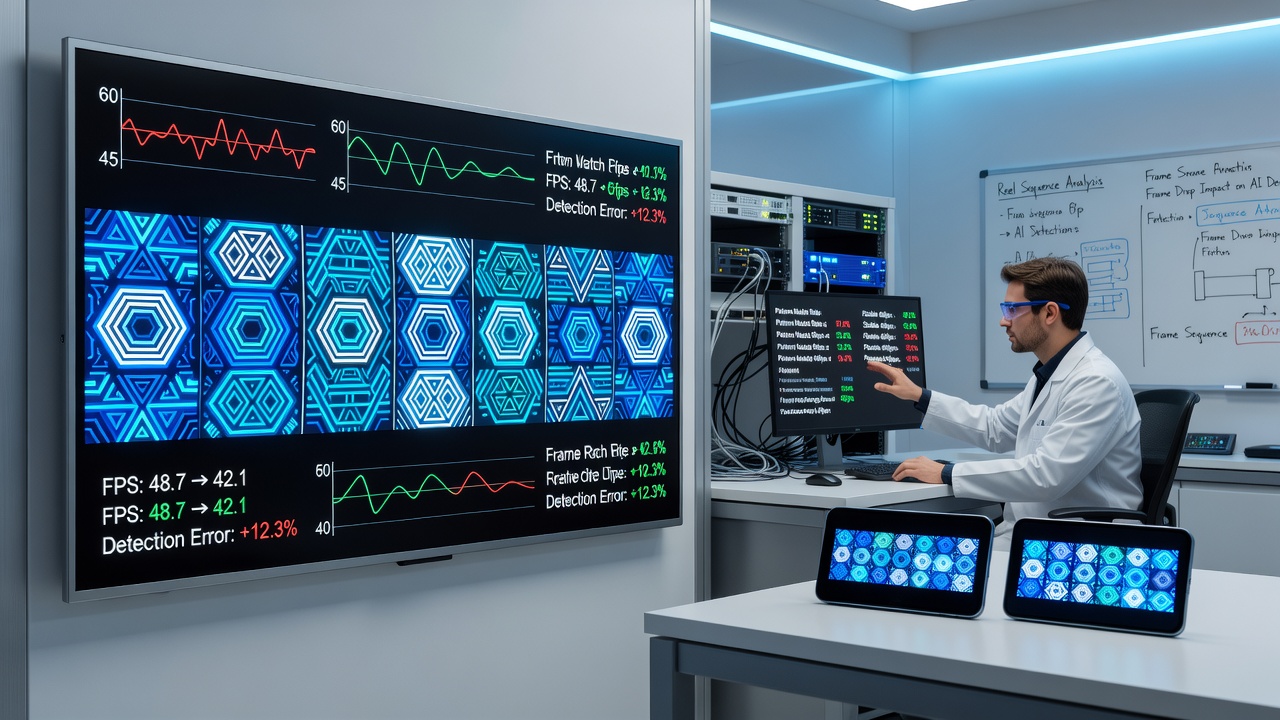
Frame rate fluctuations occur when animated reel sequences on compact digital devices experience inconsistent rendering speeds, and researchers have examined how these variations influence the accuracy of pattern detection among users. Studies in human-computer interaction have measured detection rates across devices operating between 30 and 60 frames per second, with data indicating that drops below 45 frames per second correlate with reduced recognition of symbol alignments in reel-based animations.
Technical Context of Reel Animations on Mobile Hardware
Compact digital devices rely on graphics processors that adjust output dynamically based on thermal conditions and battery levels, which produces frame rate changes during extended play sessions. Observers note that reel sequences in mobile applications use sprite-based rendering techniques, where each frame updates symbol positions according to predefined animation curves, and fluctuations arise when the device reallocates resources to other system tasks. Data from hardware monitoring tools shows these adjustments happen frequently during peak usage periods in August 2026 as new processor architectures enter the market.
Pattern detection accuracy depends on the visual system's ability to track moving elements without motion blur or skipped frames interfering with symbol identification. Research conducted at technical institutions has tracked participant responses to controlled reel animations, revealing that higher frame rate stability improves the percentage of correctly identified winning combinations by measurable margins. Engineers have documented these effects through eye-tracking equipment that records gaze patterns across multiple device models.
Research Approaches and Measurement Methods
Investigators apply standardized testing protocols that present participants with animated reel sequences under varying frame rate conditions while recording response accuracy and reaction times. One study from a North American university laboratory compared detection performance at fixed rates against variable rates that simulated real-world device behavior, and the results demonstrated consistent differences in error rates when fluctuations exceeded 10 frames per second. Equipment used in these experiments includes high-precision displays calibrated to match the pixel densities found in current compact devices.
Additional methods incorporate software-based frame rate logging combined with user input tracking to correlate specific fluctuation events with missed patterns. Figures from these trials indicate that brief drops lasting under 200 milliseconds produce smaller impacts than sustained variations over several seconds. Researchers cross-reference these findings with physiological data such as blink rates and pupil dilation to build comprehensive models of visual processing under animation stress.
Observed Effects on Detection Accuracy
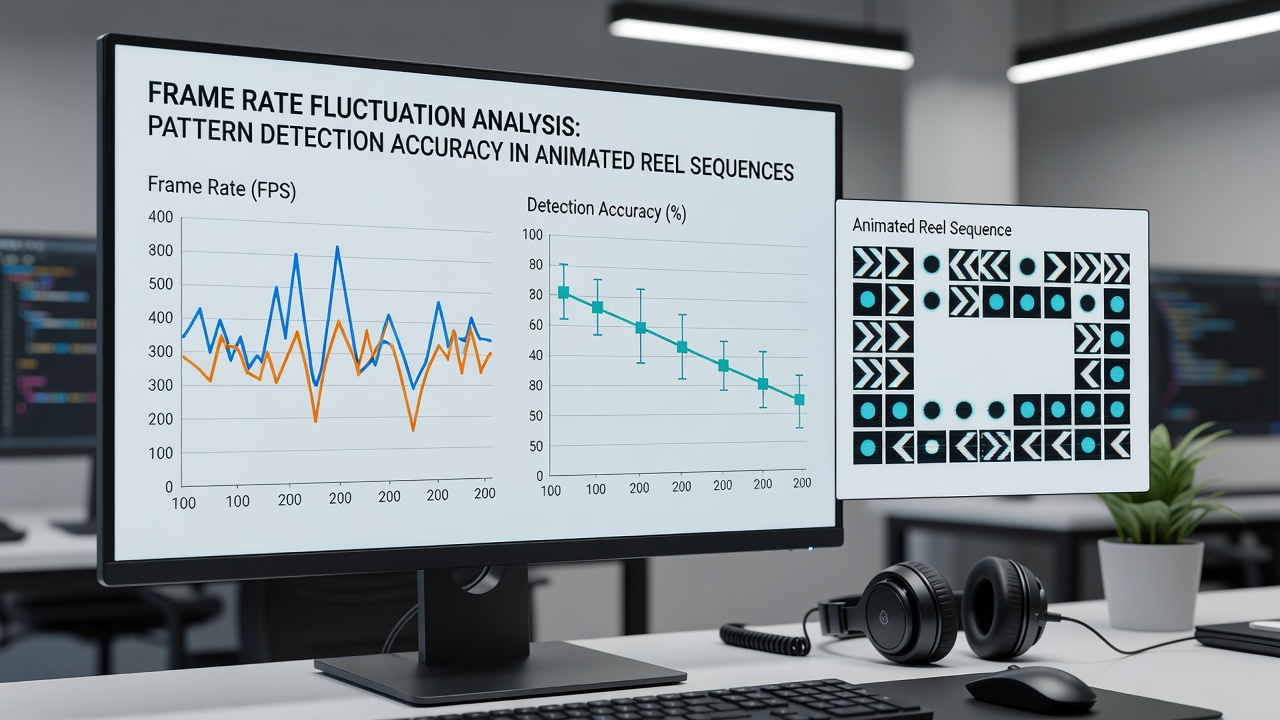
Evidence from multiple controlled experiments shows that frame rate instability reduces the precision with which users identify aligned symbols in reel sequences, particularly when animations involve rapid spinning phases followed by deceleration. Data collected across device categories reveals that older hardware models exhibit more pronounced accuracy declines during resource-intensive sequences, whereas newer chipsets maintain steadier performance under similar loads. Those conducting teh trials report that color contrast and symbol size interact with frame rate factors to either amplify or mitigate the observed effects.
Analyses of error patterns indicate users miss certain symbol combinations more often during downward frame rate spikes, and this holds across different age groups and experience levels with mobile applications. A report issued by the European Telecommunications Standards Institute outlines display refresh specifications that developers reference when optimizing animation pipelines for variable hardware conditions. Such specifications provide benchmarks that help quantify acceptable fluctuation thresholds before detection accuracy begins to decline measurably.
Device Optimization and Industry Responses
Manufacturers have responded to these research findings by implementing adaptive rendering techniques that prioritize frame rate consistency during critical animation segments. Software updates released in 2026 incorporate predictive algorithms that forecast resource demands from reel sequences and adjust accordingly, and testing data shows these changes stabilize output on a wider range of compact devices. Industry groups including the GSMA have published guidelines that encourage consistent performance metrics across global markets.
Developers integrate these optimizations into animation frameworks by using variable rate shading and frame interpolation methods that fill gaps during brief drops. Performance logs from deployed applications confirm that such approaches maintain higher detection accuracy rates compared to earlier versions without adaptive handling. Continued monitoring through August 2026 tracks how newer device releases perform against established benchmarks.
Conclusion
Investigations into frame rate fluctuations continue to supply quantitative data on their relationship with pattern detection in animated reel sequences for compact digital devices. Findings from academic and standards organizations demonstrate measurable connections between rendering stability and user accuracy, while hardware and software adjustments work to address identified limitations. Ongoing work in this area focuses on refining measurement techniques and expanding test conditions to cover emerging device categories and animation complexities.