Mapping Regulatory Influences on Symbol Density Variations Across Global Mobile Gaming Platforms
Sofia Bauer · Jul 8, 2026
Mapping Regulatory Influences on Symbol Density Variations Across Global Mobile Gaming Platforms
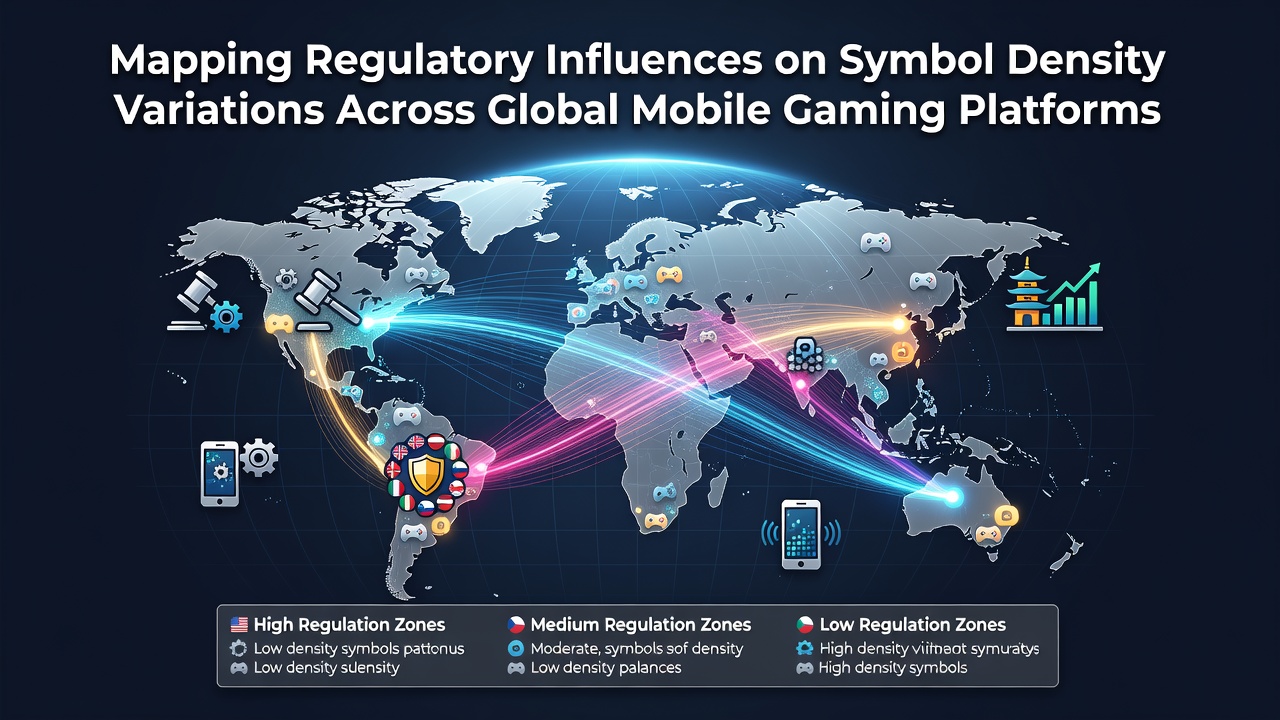
Regulatory frameworks shape symbol density patterns in mobile gaming applications through requirements that govern reel configurations and outcome probabilities. Developers adjust symbol counts per reel to meet jurisdiction-specific standards while maintaining game functionality across devices. These adjustments create measurable differences in how symbols appear and interact within portable formats.
Regional Regulatory Approaches to Symbol Configurations
North American markets apply distinct rules that directly affect symbol placement density. State-level oversight in the United States requires certain minimum symbol distributions to ensure transparency in random number generator outputs, whereas Canadian provincial bodies focus on total symbol variety limits per game cycle. These rules lead developers to increase or decrease reel positions accordingly when releasing titles for mobile users in each area.
European jurisdictions outside the United Kingdom enforce their own density guidelines through national licensing bodies. Data collected by the Malta Gaming Authority shows that operators must maintain symbol ratios that prevent clustering patterns exceeding defined thresholds in digital formats. Similar provisions appear in regulatory documents from the Netherlands and Sweden, where mobile platform submissions undergo review for compliance with these density parameters before approval.
Technical Adaptations in Mobile Development
Engineers modify symbol density during porting processes to align with device constraints and regulatory demands. Higher density arrangements require additional processing power for smooth animations, while lower densities simplify rendering on older hardware. Research from industry testing labs indicates that platforms targeting multiple regions often maintain separate build versions with adjusted symbol counts to satisfy each set of rules simultaneously.
Integration of cloud-based verification tools allows real-time checks against regulatory databases during gameplay sessions. This approach helps studios track compliance as updates roll out, particularly when new symbol interaction rules take effect. Observers note that synchronization between backend systems and mobile clients reduces instances of non-compliant configurations reaching end users.
Data Patterns Across Jurisdictions
Comparative analysis of approved mobile titles reveals consistent variations tied to regulatory origins. Games licensed primarily for North American distribution tend toward moderate symbol densities with emphasis on balanced distribution across reels, while titles cleared for select Asian markets display higher densities in bonus-trigger positions. Figures from aggregated submission records highlight these differences without implying performance outcomes.
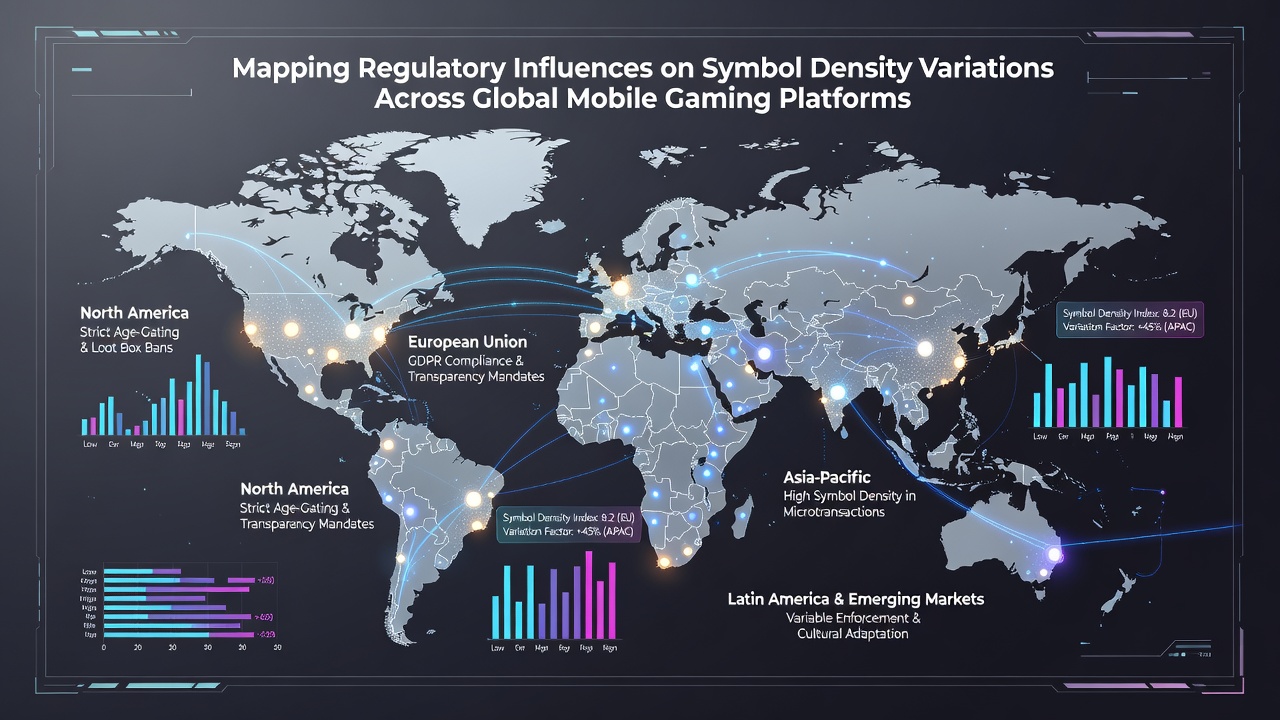
Studies conducted by academic groups at institutions such as the University of Nevada, Reno track these shifts over multi-year periods. Their findings link specific regulatory updates to corresponding changes in average symbols per reel, especially in titles designed for cross-border distribution. Additional data from the Australian Communications and Media Authority confirms parallel trends in Oceania markets where density caps influence reel design choices.
Emerging Standards and July 2026 Developments
Industry associations continue to monitor proposed changes scheduled for implementation around July 2026. Several regulatory bodies have circulated draft guidelines that would standardize certain density metrics for mobile platforms operating across borders. These drafts address alignment between physical and digital reel representations, requiring developers to document symbol counts explicitly during certification.
Preparation for these updates involves mapping current configurations against anticipated thresholds. Companies that operate globally have begun internal audits to identify titles needing symbol adjustments before teh deadline. Coordination between legal teams and technical staff ensures that density modifications preserve game mechanics while meeting the forthcoming criteria.
Conclusion
Regulatory influences on symbol density create a complex landscape that developers navigate through targeted adaptations and ongoing compliance monitoring. Variations across global markets reflect distinct policy priorities, from transparency requirements to hardware compatibility considerations. Continued documentation of these patterns supports accurate mapping of how rules evolve and affect mobile gaming platforms worldwide.