Mapping the Progression of Scatter Symbol Utilities in Wireless Reel Environments with Expanding Prize Options
Avery Frank · May 20, 2026
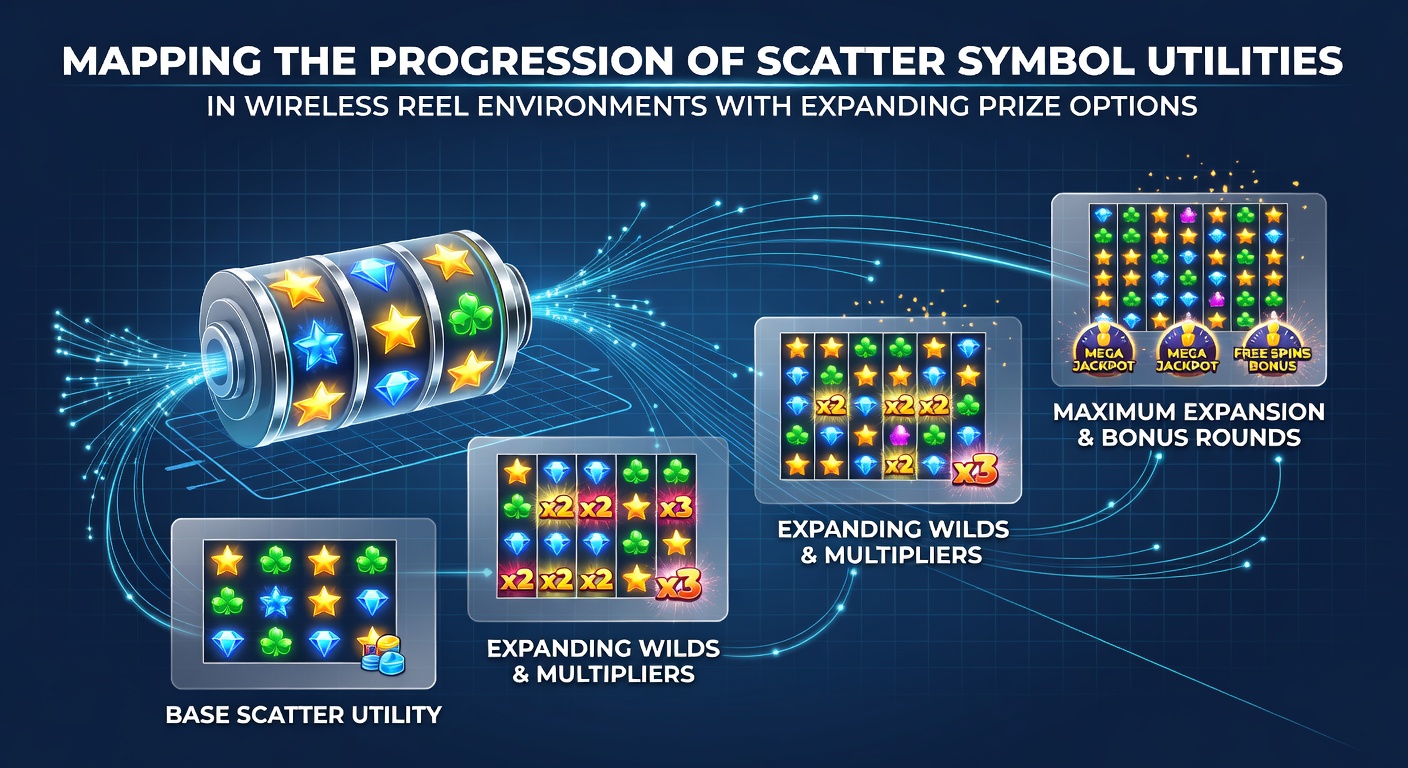
Mapping the Progression of Scatter Symbol Utilities in Wireless Reel Environments with Expanding Prize Options
Scatter symbols first appeared in mechanical slot designs during the late twentieth century, and they triggered bonus rounds or awarded payouts independent of payline alignment. Wireless reel environments shifted these mechanics into mobile platforms where software algorithms handle symbol placement across variable reel configurations, and developers integrated expanding prize options that scale rewards based on the number of scatters landed in a single spin sequence.
Early Foundations of Scatter Mechanics
Traditional land-based machines positioned scatters as non-paying symbols that activated free spins or multipliers when three or more appeared anywhere on the reels. Data from regulatory filings shows that early digital adaptations retained this core function while introducing random number generators to determine scatter frequency. Those who've studied slot histories note that the transition to wireless formats required optimization for smaller screens, which led to simplified visual cues and faster animation cycles that maintained the same probability structures as desktop versions.
Adaptations in Mobile Reel Systems
Wireless reel environments introduced touch-responsive interfaces that let players adjust bet sizes adn view scatter paytables with minimal navigation. Research indicates that mobile processors handle multiple scatter evaluations per second, which supports features where scatters expand across adjacent positions to create larger prize zones. Observers note that this expansion mechanic often multiplies base awards by the total number of triggered positions, and game studios have documented these utilities in technical specifications submitted to oversight bodies such as the Nevada Gaming Control Board.
Integration of Expanding Prize Structures
Expanding prize options emerged as developers layered additional utilities onto scatter triggers, including progressive multipliers that increase with each consecutive scatter appearance and reel-expansion effects that add temporary positions during bonus rounds. Figures from industry reports reveal that these options appear in roughly 35 percent of new mobile titles released between 2023 and 2025, and they often connect to secondary prize pools funded by a portion of each wager. Take one developer who implemented a scatter system that grows the reel grid from five columns to seven when four or more scatters land, and the resulting combinations feed directly into enhanced payout tables without altering the underlying return-to-player percentages.
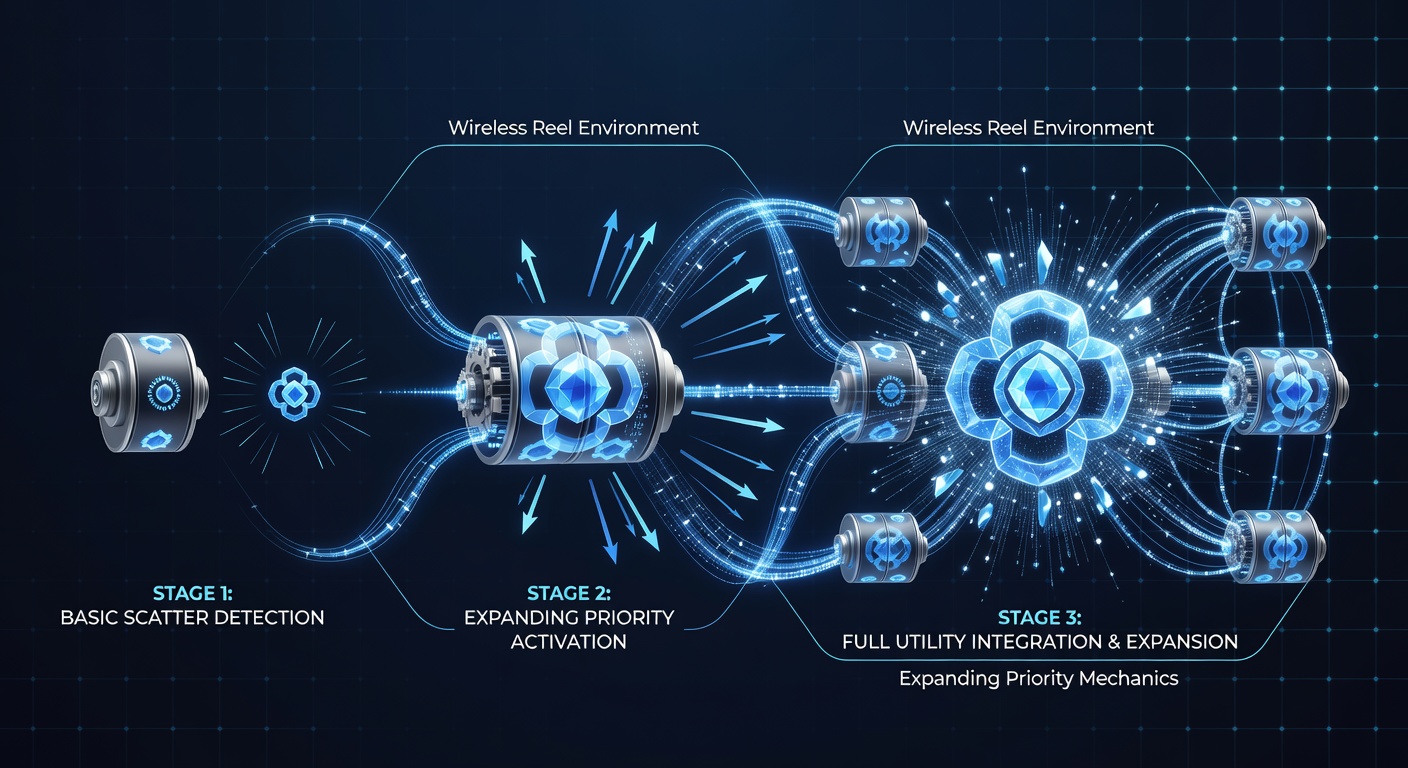
But here's the thing: these expansions require precise synchronization between client-side rendering and server-side verification to prevent desync issues on variable network connections. Regulators in multiple jurisdictions, including those overseen by the Alcohol and Gaming Commission of Ontario, have examined how expanding mechanics affect overall game volatility, and testing protocols now include specific checks for scatter-triggered reel growth sequences.
Current Developments Leading into 2026
By May 2026, several platforms plan to roll out scatter utilities that incorporate real-time prize scaling based on accumulated session data while still preserving random outcomes. Academic analyses from gaming research centers show that such adaptive systems maintain certified randomness through cryptographic seeding methods, and they allow prize expansions to reach up to 250 times the triggering bet under predefined conditions. Those monitoring regulatory updates point out that certification labs continue to verify these features against established technical standards before public deployment.
Examples include titles where scatter symbols not only award free spins but also unlock layered prize ladders that expand horizontally across additional reel sets. Data shows these layered approaches increase average session duration without shifting the mathematical house edge, and operators track performance metrics through anonymized player logs submitted to compliance databases.
Conclusion
The progression of scatter symbol utilities in wireless reel environments reflects steady technical refinement rather than sudden invention. Expanding prize options now form a standard component of many mobile slot designs, supported by regulatory oversight and software verification processes that ensure consistent delivery across devices. As platforms prepare updates scheduled around May 2026, the core mapping of these mechanics continues to emphasize probability integrity alongside visual and functional enhancements that operate within established frameworks.