Player Retention Patterns Through Tiered Loyalty Structures in Handheld Reel Platforms
Avery Frank · Jul 13, 2026
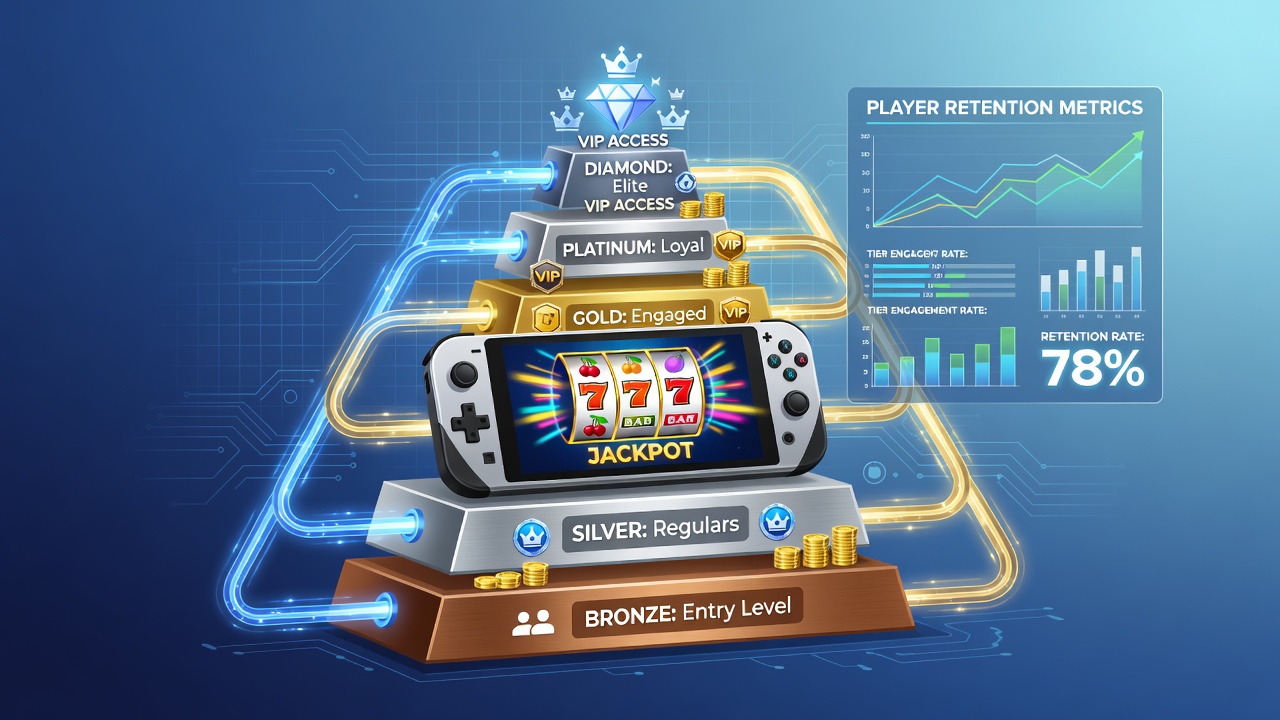
Player Retention Patterns Through Tiered Loyalty Structures in Handheld Reel Platforms
Handheld reel platforms rely on structured loyalty tiers to shape how players return over extended periods, and data from multiple markets shows these systems create measurable differences in session frequency and account longevity. Operators segment users into progressive levels that unlock escalating rewards such as bonus spins, cashback percentages, and exclusive tournament access, while the underlying mechanics track cumulative play metrics across mobile sessions.
Research indicates that players who advance past the initial entry tier maintain active accounts at rates notably higher than those who remain in starter brackets, and this pattern holds across both regulated North American and European markets. Systems typically award points based on wager volume and game type, with higher tiers granting multipliers that accelerate further progression, creating a self-reinforcing loop that operators monitor through retention analytics dashboards.
Mechanics of Tier Progression in Mobile Environments
Tier structures in handheld reel applications operate through clear thresholds that reset on monthly or quarterly cycles, and players advance by accumulating points earned from specific reel titles or aggregated platform activity. Entry-level participants often receive modest daily login rewards, yet movement into mid-tier status unlocks accelerated point accrual and access to personalized reel configurations that adjust feature frequency based on historical play data.
Those who reach upper tiers gain entry to closed events and receive priority support channels, while the platform simultaneously adjusts promotional offers to align with each level's expected lifetime value. According to figures released by iGaming Ontario, accounts that crossed into the second tier during the first quarter of tracked periods demonstrated a 34 percent increase in monthly active days compared with accounts that stayed in the base tier throughout the same window.
Observed Retention Metrics Across Regions
Longitudinal tracking in multiple jurisdictions reveals consistent correlations between tier elevation and reduced churn, yet the strength of those correlations varies with reward cadence and transparency of progression requirements. Platforms that display real-time progress bars and projected reward timelines report stronger continuation rates, because players receive immediate visual feedback on how additional play moves them toward the next bracket.
Analysts at the University of Nevada, Las Vegas International Gaming Institute documented that tiered programs incorporating both monetary and experiential rewards produced steadier retention curves than programs focused solely on cashback, and this distinction appeared most pronounced among users accessing platforms primarily through smartphones rather than desktop interfaces. Mid-2026 data releases are expected to clarify whether seasonal events scheduled for July 2026 will further amplify these patterns when operators layer limited-time tier accelerators onto existing structures.
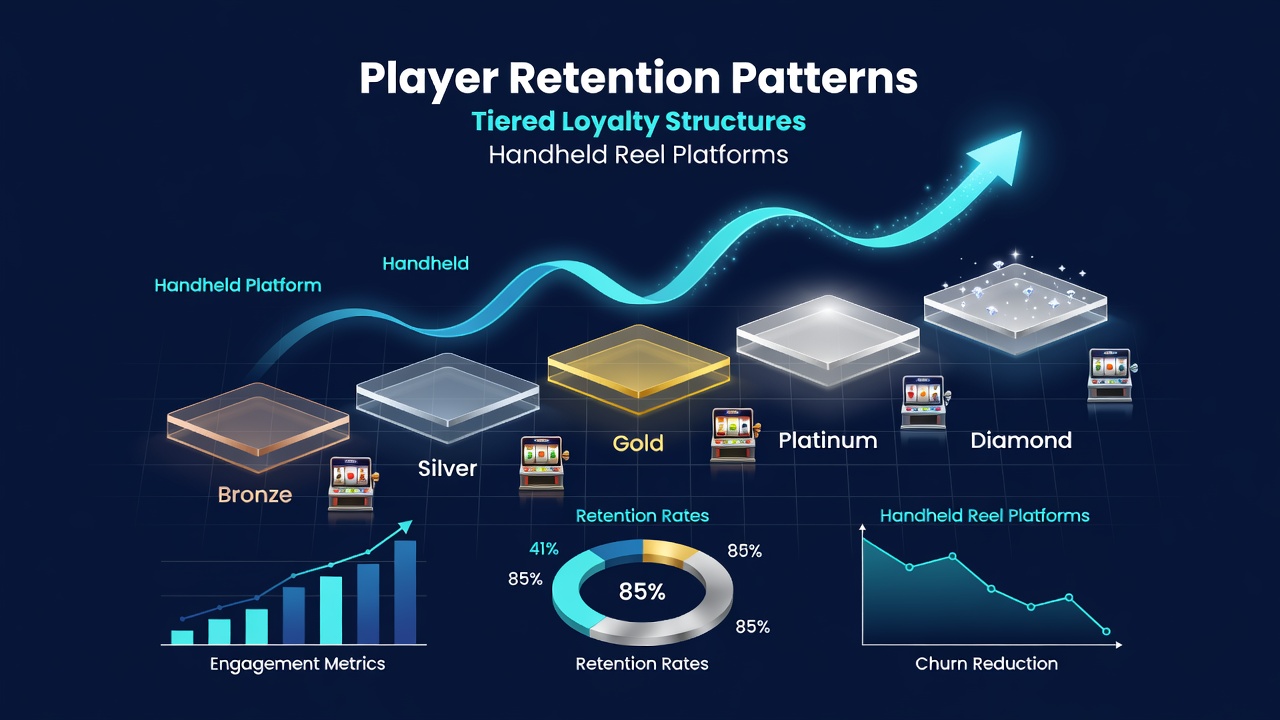
Interaction Between Tier Benefits and Reel Feature Design
Handheld platforms integrate tier status directly into reel mechanics by adjusting symbol weighting, bonus trigger rates, or free-spin allocation based on current loyalty level, and this integration occurs without altering the certified random number generator outputs that govern base game fairness. Players in elevated tiers encounter more frequent entry points to secondary features, which in turn generates additional point earnings and sustains engagement loops.
Operators track these interactions through cohort analysis that segments users by both tier and preferred game categories, revealing that certain reel mechanics resonate more strongly with specific loyalty brackets. For instance, cluster-pay titles show elevated continuation metrics among mid-tier users, while progressive jackpot games maintain higher engagement among top-tier participants who receive dedicated jackpot leaderboards and early access notifications.
Regulatory Context and Data Reporting Requirements
Regulatory bodies in several markets now require operators to submit anonymized retention data broken down by loyalty tier, and these filings provide the raw material for independent verification of claimed retention effects. The approach allows oversight agencies to assess whether progression systems produce equitable outcomes across different demographic groups without mandating changes to the tier frameworks themselves.
Reports submitted to the Nevada Gaming Control Board in early 2026 already contain tier-stratified retention tables, and similar requirements are under consideration in additional Australian jurisdictions where mobile reel participation continues to expand. These disclosures create a growing public dataset that researchers can use to compare retention patterns across regulatory environments while maintaining player privacy standards.
Conclusion
Tiered loyalty structures in handheld reel platforms generate observable differences in how long accounts remain active and how frequently players return to the application, with progression speed and reward composition serving as primary variables. Available data from regulatory filings and academic tracking studies demonstrate that mid- and upper-tier users exhibit longer account lifespans, yet the magnitude of these effects depends on how clearly operators communicate requirements and how seamlessly tier status integrates with reel feature delivery. Continued collection of standardized metrics through 2026 and beyond will allow more precise mapping of which structural elements most reliably support sustained participation across diverse player cohorts.