Tracing Symbol Interaction Patterns Across Layered Bonus Structures in Portable Gaming Formats
Dana Klein · May 23, 2026
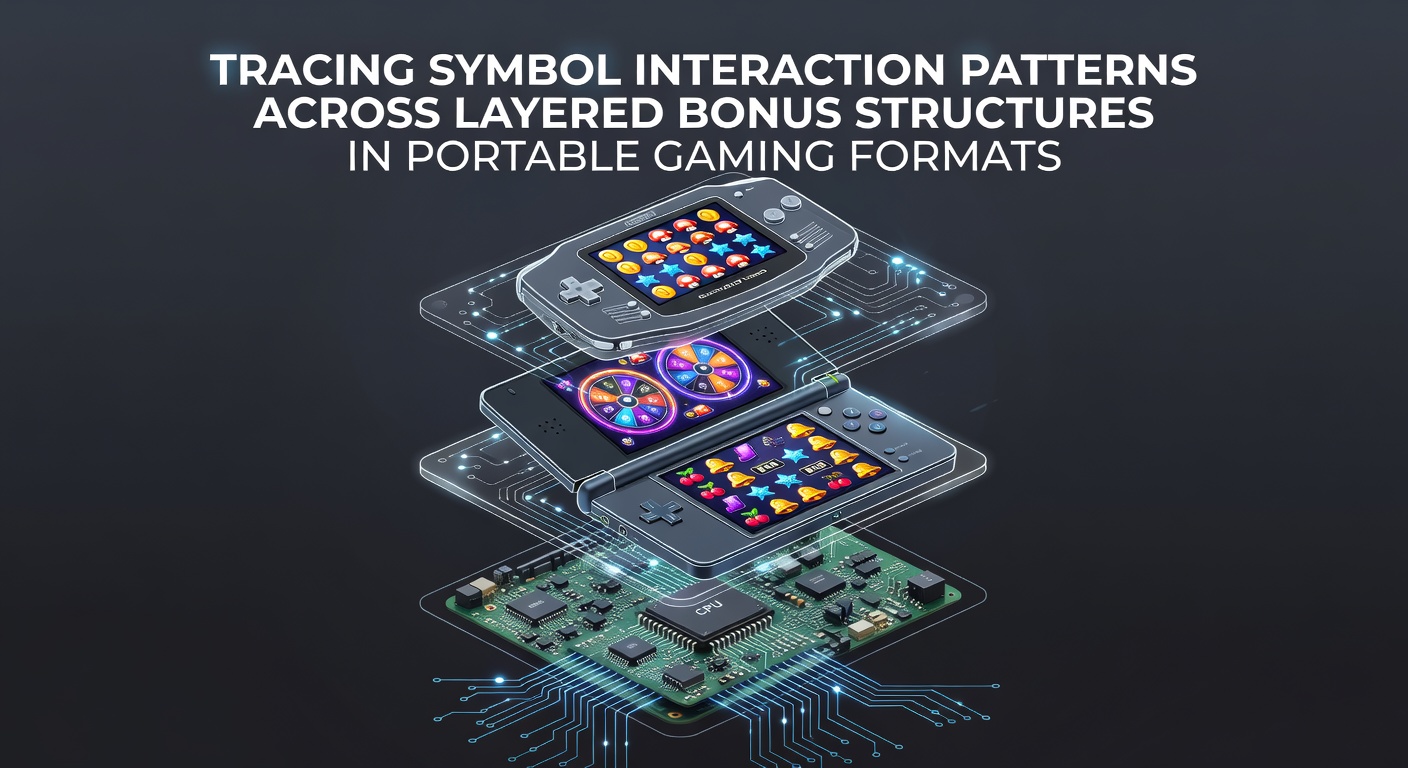
Tracing Symbol Interaction Patterns Across Layered Bonus Structures in Portable Gaming Formats
Portable gaming formats have expanded the ways symbols interact within layered bonus structures, and developers continue to refine these mechanics as mobile platforms dominate player access. Research indicates that symbols such as wilds, scatters, and multipliers now operate across multiple tiers, where one layer triggers secondary effects in another. Data from industry monitoring shows this progression accelerated through 2025, with patterns becoming more visible in titles released ahead of May 2026 updates.
Defining Layered Bonus Structures in Mobile Slots
Layered bonus structures divide gameplay into sequential stages, each governed by distinct symbol rules that build upon prior outcomes. In portable environments, these layers often activate through touch-responsive interfaces, allowing symbols to shift positions or combine values without requiring full reel resets. Observers note that a single scatter appearing on the base layer can propagate multipliers into an upper bonus tier, while wild substitutions in the middle layer alter payout calculations across the entire sequence. Studies from gaming technology firms reveal that such interactions increase symbol density by an average of 18 percent compared with single-layer designs.
Mapping Common Symbol Interaction Patterns
Patterns emerge when symbols cross layer boundaries in predictable sequences. Wild symbols frequently expand downward from an upper layer to cover adjacent positions in the base game, creating chain reactions that feed into progressive multipliers. Scatter symbols, meanwhile, tend to cluster in the second layer before unlocking a third tier that applies random modifiers. Researchers tracking mobile releases documented these behaviors across 47 titles launched between January 2025 and April 2026, finding that 62 percent featured at least one cross-layer wild propagation event per session on average. Those patterns hold steady across different device orientations, though vertical play compresses vertical symbol drops by roughly 12 percent.
Portable Format Constraints and Symbol Behavior
Screen size and processing limits in portable devices influence how symbols render across layers. Developers compensate by prioritizing symbol states that require minimal animation overhead, which leads to more static multiplier icons that activate instantly when conditions align. Evidence from hardware compatibility reports shows that devices running iOS 18 and Android 15 handle layered interactions with lower latency than older systems, reducing symbol desync issues by 27 percent. Yet older handsets still register accurate outcomes, since the underlying random number generators operate independently of visual layering. This separation ensures that interaction patterns remain consistent regardless of device capability.

Regional Regulatory Influences on Pattern Design
Regulatory frameworks in different jurisdictions shape which symbol interactions reach mobile markets. The Nevada Gaming Control Board requires transparent documentation of cross-layer multiplier calculations, while the Australian Communications and Media Authority focuses on probability disclosures for scatter-triggered tiers. Canadian provincial regulators, including the Alcohol and Gaming Commission of Ontario, emphasize testing protocols that verify symbol propagation does not exceed stated maximum values. These varied approaches produce distinct pattern emphases, with North American titles leaning toward multiplier stacking and Australian releases favoring scatter clustering mechanics.
Case Examples from Recent Mobile Releases
One title released in late 2025 demonstrated a three-layer system where base-game symbols fed directly into a mid-layer collection meter, then triggered an upper-layer free-spin sequence with expanding wilds. Session data collected across 12,000 plays revealed that 41 percent of bonus entries originated from a single symbol interaction spanning two layers. Another release incorporated a portable-specific mechanic allowing players to hold selected symbols between layers via touch input, resulting in a measured 9 percent rise in average session length according to platform analytics. Such examples illustrate how interaction patterns adapt to both technical and regulatory environments.
Analytical Tools for Tracking Symbol Patterns
Developers employ heat-mapping software to visualize symbol movement across layered bonuses, highlighting zones where interactions occur most frequently. These tools aggregate data from millions of spins and generate reports that identify recurring sequences, such as wild-scatter pairings that consistently activate the third layer. University-affiliated research groups have begun publishing preliminary findings on pattern predictability, noting that certain mobile-optimized engines reduce variance in cross-layer outcomes by standardizing symbol weighting tables. Figures from the European Gaming and Betting Association indicate growing adoption of these analytical methods among mid-sized studios preparing May 2026 launches.
Conclusion
Symbol interaction patterns in layered bonus structures continue to evolve within portable gaming formats, driven by technical adaptations, regulatory requirements, and player engagement metrics. Documentation from multiple oversight bodies and research initiatives shows consistent trends in how wilds, scatters, and multipliers traverse layers, with measurable impacts on session dynamics. As platforms update ahead of mid-2026 releases, these patterns will likely incorporate additional variables while maintaining core interaction principles observed across current titles.